Dear Reader,
As a resident of the large town of Reading (pronounced ‘Redding’) for over 20 years I thought that it would be a jolly good idea if I provided you with a virtual tour of the place. Although it doesn’t immediately spring to mind as a dawdlers paradise, as you will keenly observe the town is actually quite interesting to explore, be it on foot or in my case, on two, rather small wheels.
A brief history
Due to its proximity to the former Roman city of Silchester, the area probably started out as a port on the River Thames, but it wasn’t until the 8th century when a settlement called ‘Readingas’ was established (so named after an Anglo-Saxon leader called Reada). The name ‘Reading’ was first documented in the Anglo-Saxon Chronicles in 871AD identifying the town as a fortified Danish camp.
Marching on further through the medieval era Henry I founded Reading Abbey in 1121 which dramatically improved the wealth of the region. This prosperity came to an end with the dissolution of the monasteries by Henry VIII in about 1539, the last abbott Hugh Farringdon being hung, drawn & quartered outside the Abbey gates due to treason.
One hundred years later in 1643 Reading became a Royalist stronghold during the English Civil War & after 10 days of fierce fighting was captured by government forces.
For many years after the town struggled financially but things changed in the 18th & 19th century. Due to its connection with London via the River Thames, the Kennet & Avon canal (1723) became an east-west passageway, that was until the opening of the Great Western Railway in 1841. Industry blossomed in the area with breweries, engineering & seed production, as well as the world famous biscuit company Huntley & Palmers which was founded also in 1841.
Through the 20th century the town became known for IT, finance & pharmaceuticals…oh, & the Pru too, it became famous for the Pru.
The tour
Should you wish to undertake a dawdle around Reading, I would strongly suggest travelling in by rail. As with any major town or city, driving & subsequently parking is an absolute nightmare & best avoided.
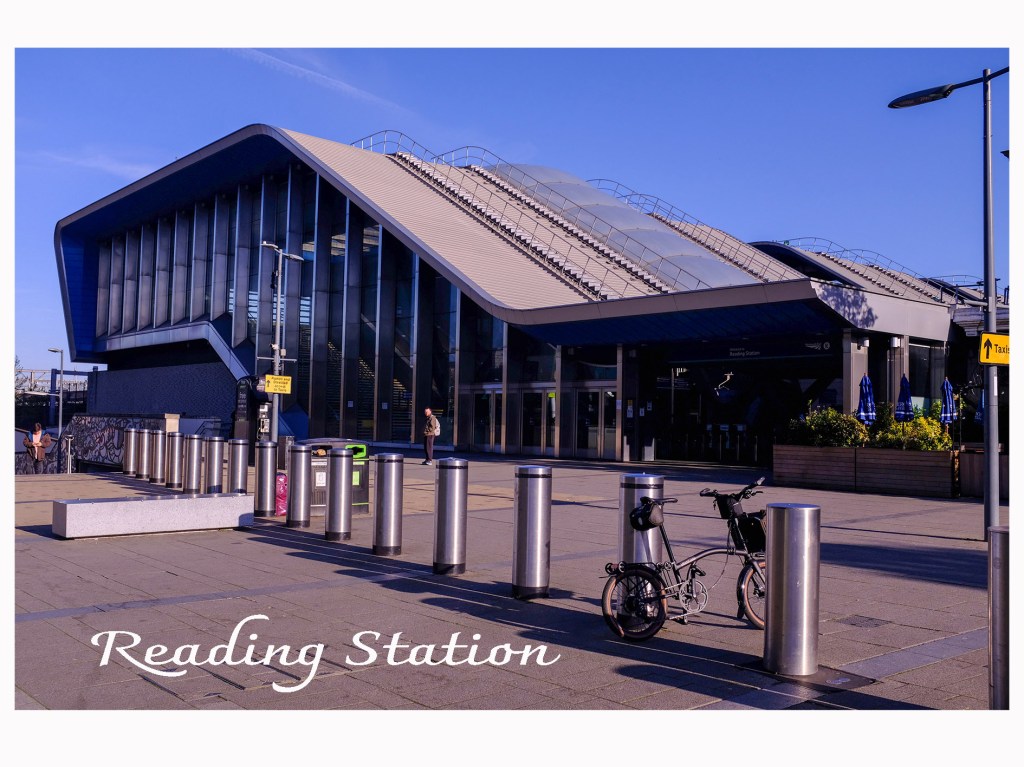
If one does take the train, you will either exit from either this rectangular, modern looking structure (as shown in the above picture), or the 1960’s brown one adjacent to it (not shown although I will endeavour to take a photo of it when I venture into town next).
Opened by Her Majesty Queen Elizabeth II in 2014, the new station which was part of a redevelopment costing approx. £897 million, has 15 platforms many of which are accessed by a central bridge concourse.
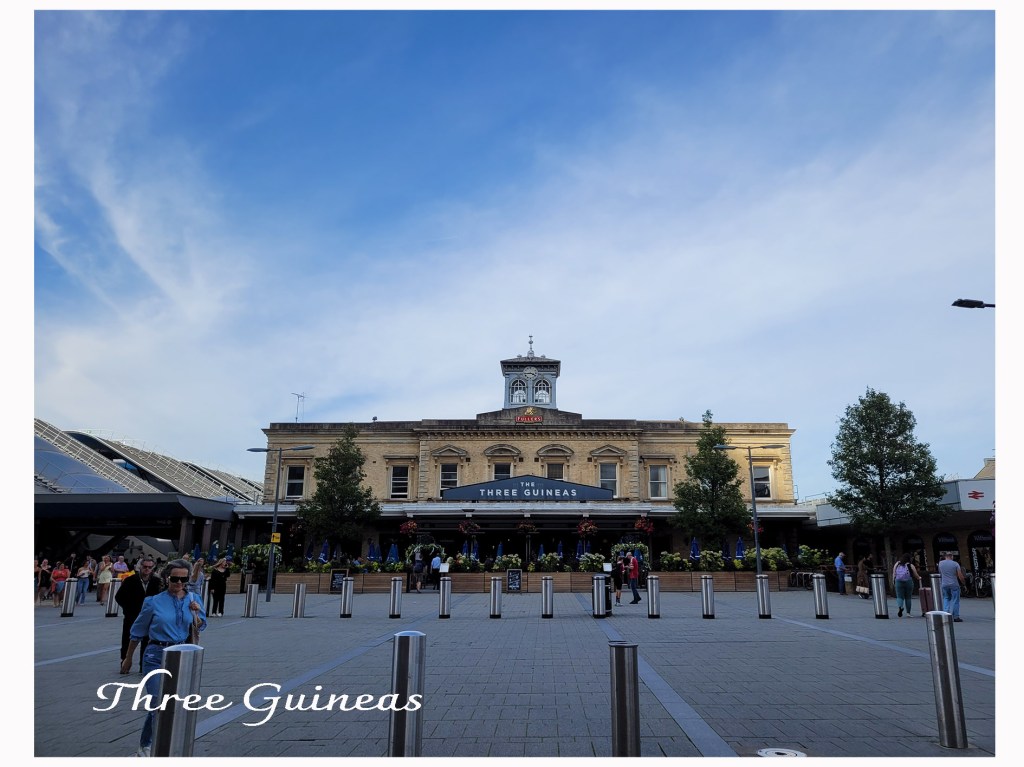
For me the highlight of the station is The Three Guineas public house which is sandwiched between the two. This grand building was once the ticket office for the Great Western Railway & got its name from a competition in 1904 to name a new non-stop train from London to Plymouth, the prize being advertised in a local paper as ‘3 Golden Guineas’.
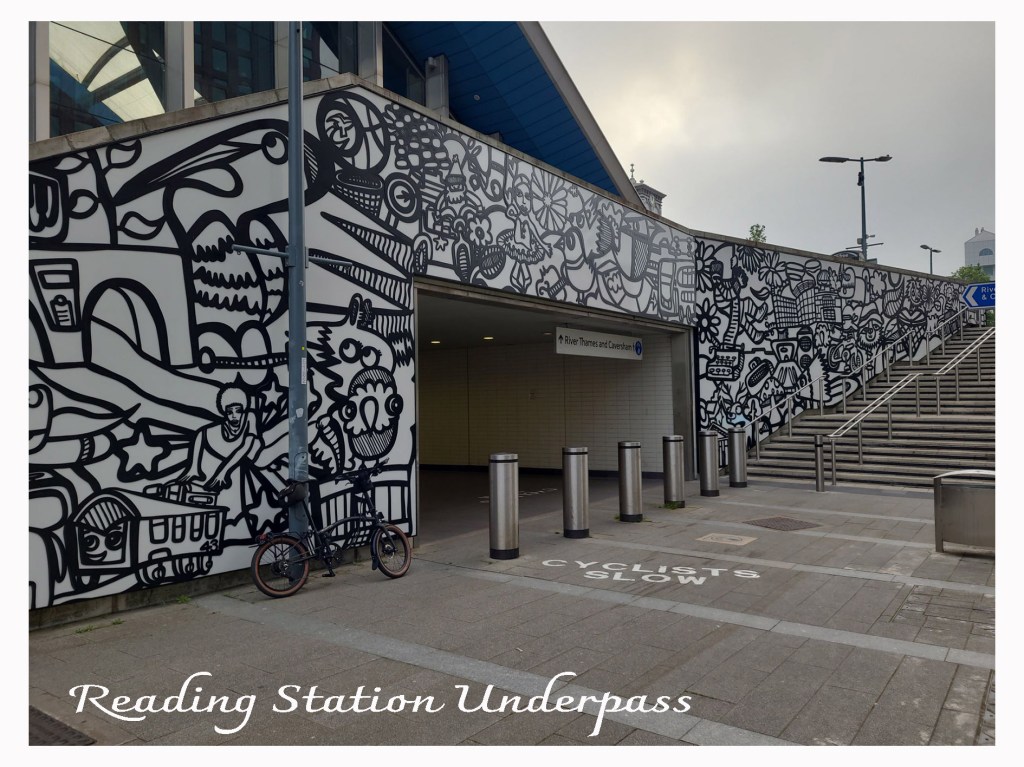
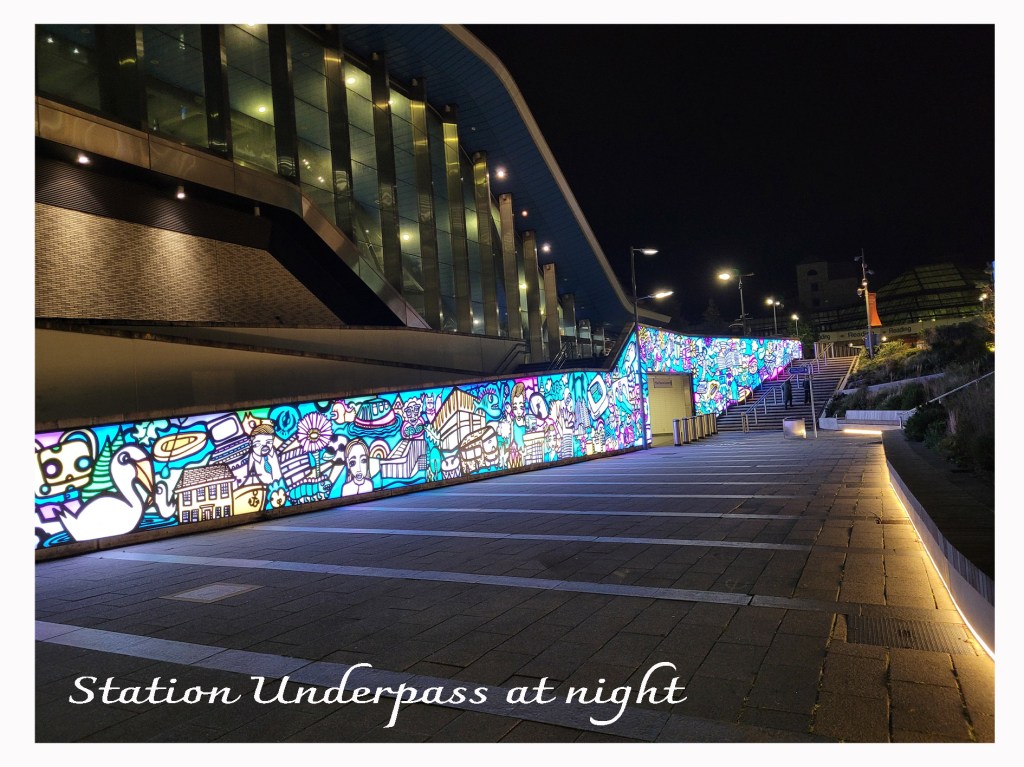
Still in the vicinity of the station the next POI (place of interest) to observe is the funky mural that adorns the station underpass beneath the new structure. Designed by Stuart Melrose with art by Kev Munday the 51m long glowing artwork features local heroes such as Kate Winslet & Ricky Gervais.
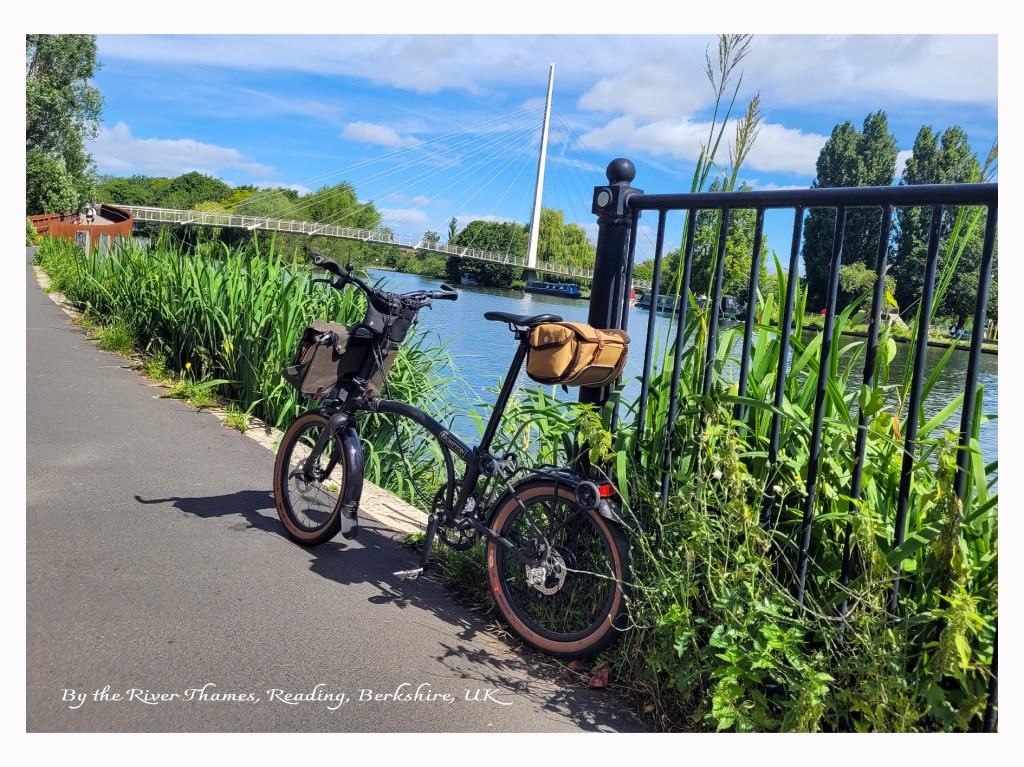
From the station one can head north to the River Thames & its promenade & bridges.
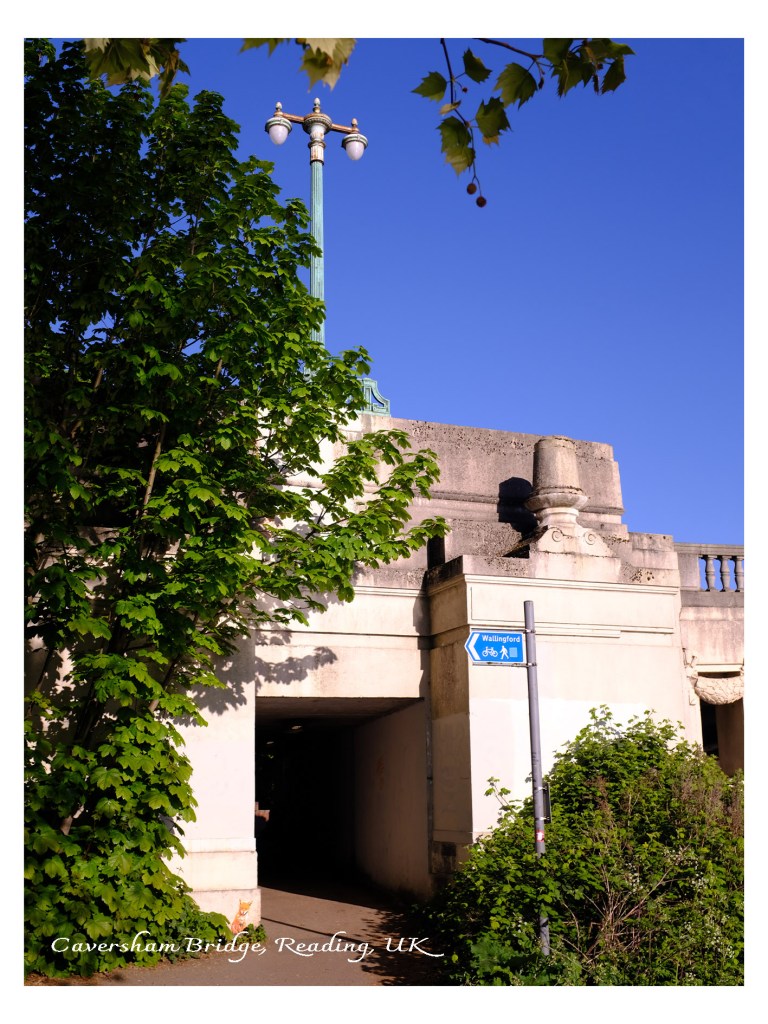

Have you spotted the fox?
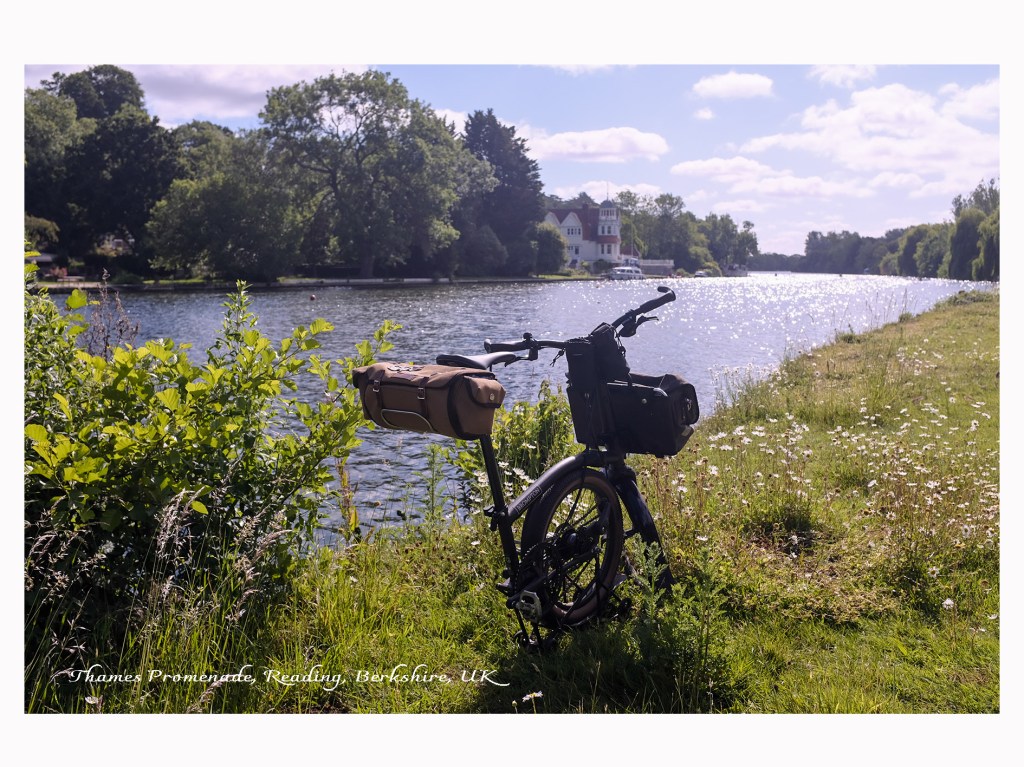
I always think Thames Promenade is the perfect spot to stop & enjoy a brew. Besides the great views along the river, you can usually spot rowers, kayakers & other sorts of watercraft along this stretch. The house in the mid-ground is a grade II listed Edwardian property called Isomer built in 1905.
Authors note: On no account should you frequent this area around the last weekend of August as just behind it is the site of Reading Festival.
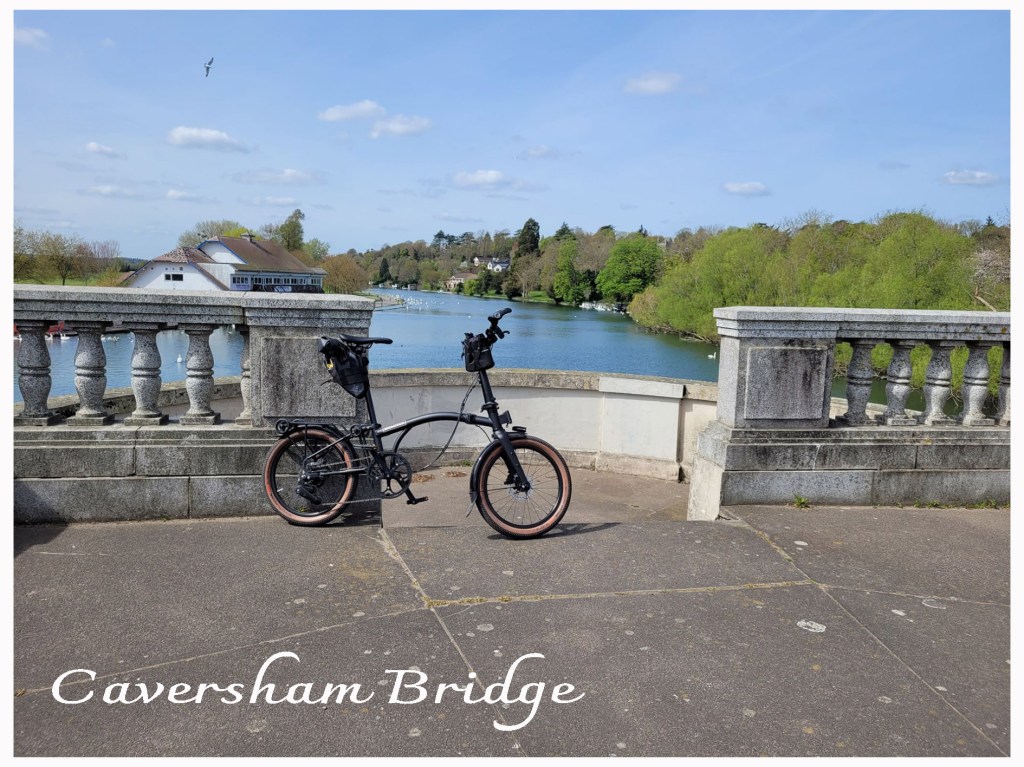
There has been a bridge of some shape or form on this site since the 11th/12th century. This incarnation was opened in 1926 & opened by Edward Prince of Wales.
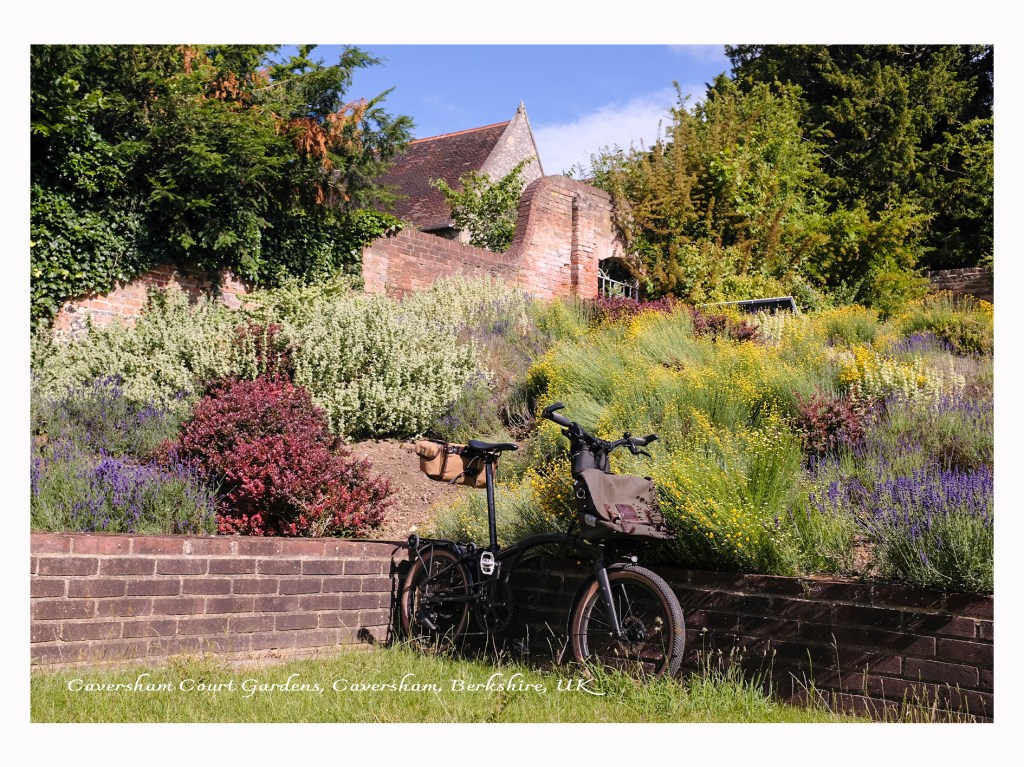
The grounds here have had an ecclesiastical connection since the 12th century when the land was gifted by Augustinian monks to make a rectory for St Peter’s church (just visible in the background).
Although the gardens has an interesting history, which you can read about if you follow the link below, it is the church that captured my attention. During the English Civil War in 1642 a band of Royalist troops situated a cannon high in the tower. The Parlimentarians then proceeded to bombard the church with artillery until the tower was destroyed. Although a wooden tower was erected, a stone tower was finally rebuilt in 1878.
Look at https://home.fccg.org.uk for more info.
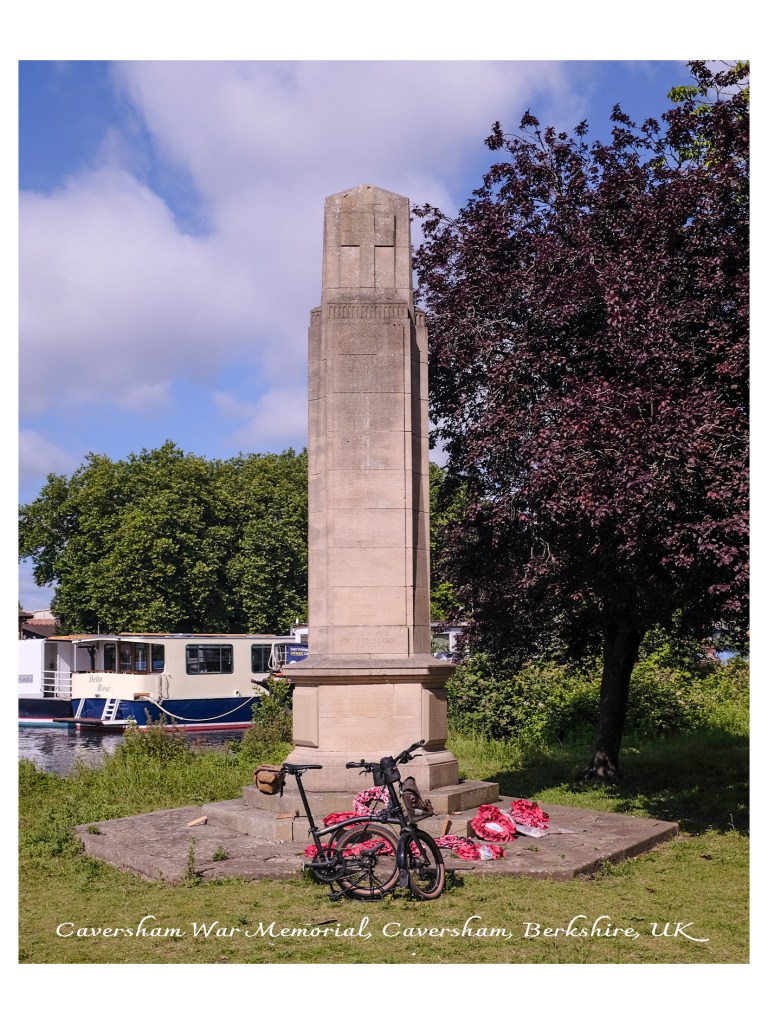
This monument commemorates the 443 service personnel from Caversham district who died during WW1, WW2 & the more recent Afghanistan conflict.
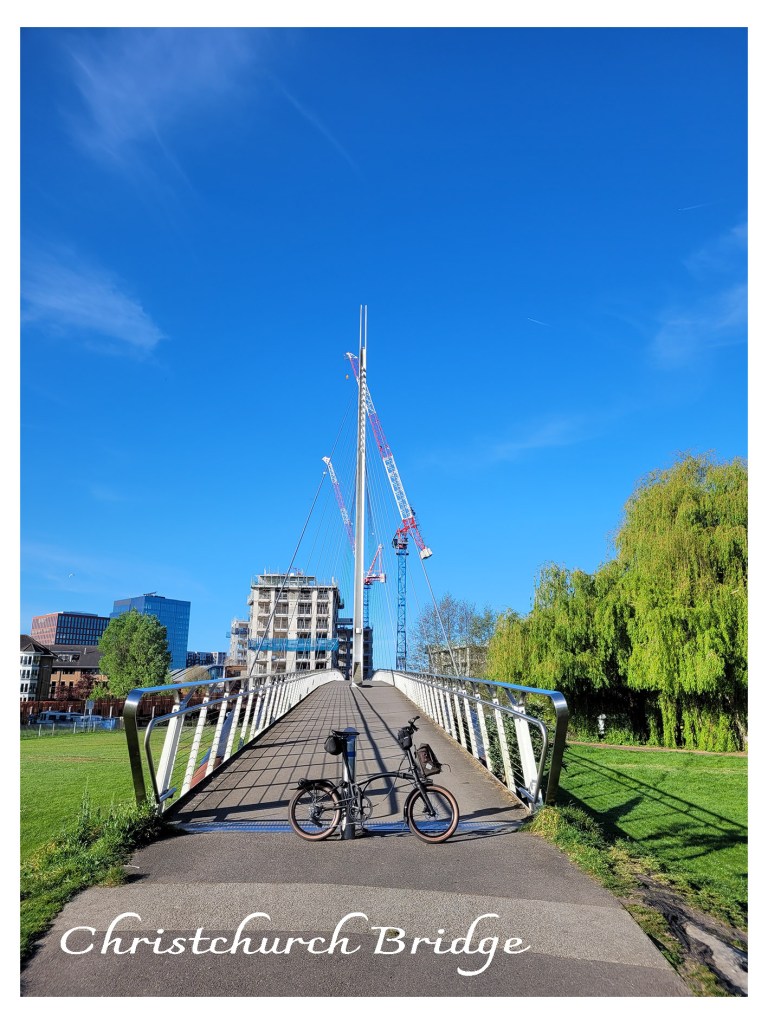
Christchurch Bridge was completed in 2015 & designed by Design Engine Architects & Peter Brett Associates at a cost of £5.9 million. The span over the river itself is 68 metres with a further 54 metres over land. The height of the mast is 39 metres.
If one was to stand at the centre of the bridge & cast their gaze westwards they would see a small island, known as ‘Fry’s Island’ or ‘de Montfort Island’. Twas on this space that in 1163 King Henry II ordered a trial by combat between two knights, Robert de Montfort & Henry of Essex, the King’s standard bearer, the former accusing the latter of dropping the King’s standard during battle & thus pronouncing the King dead (which he wasn’t). Although Henry of Essex was pronounced dead at the scene, he was very much alive but having lost the duel, & his estate, spent the remainder of his days as a monk in Reading Abbey.
The island these days is a much more genteel spot housing a bowls club since 1909.
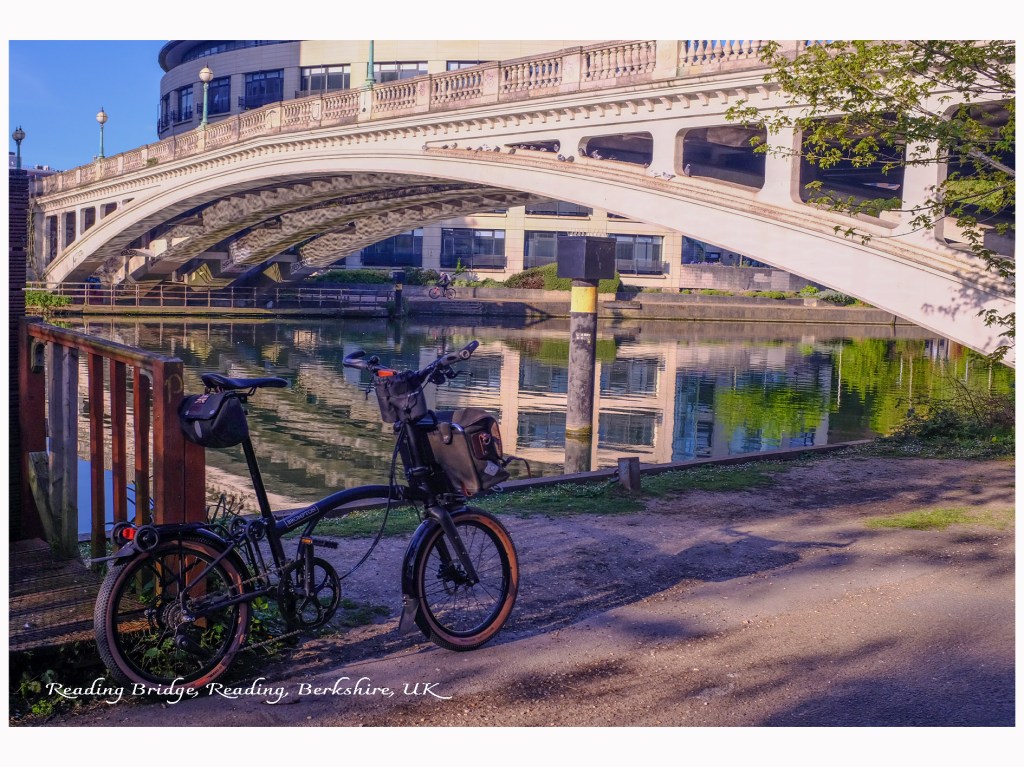
Delayed by the outbreak of WW1 Reading Bridge was finally constructed in 1923 & remained the longest single span bridge in the UK until 1928. In 2014 it was estimated that the bridge carried 24’000 vehicle a day.
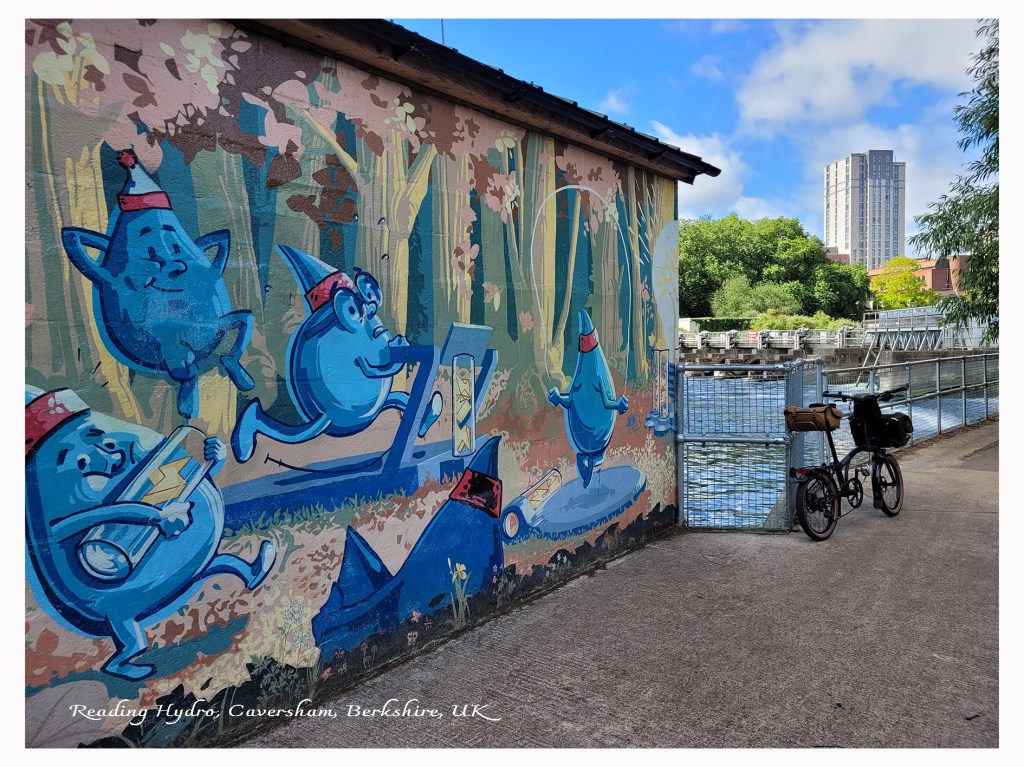
This building houses two Archimedes screw turbines (called Tony & Sophie) that were installed in 2021. At peak times the turbines can produce enough energy to power 90 homes.
The mural designed by a chap called Guglielmo is titled The Community Energym. To learn more about the place & to see the mural in full visit: https://readinghydro.org
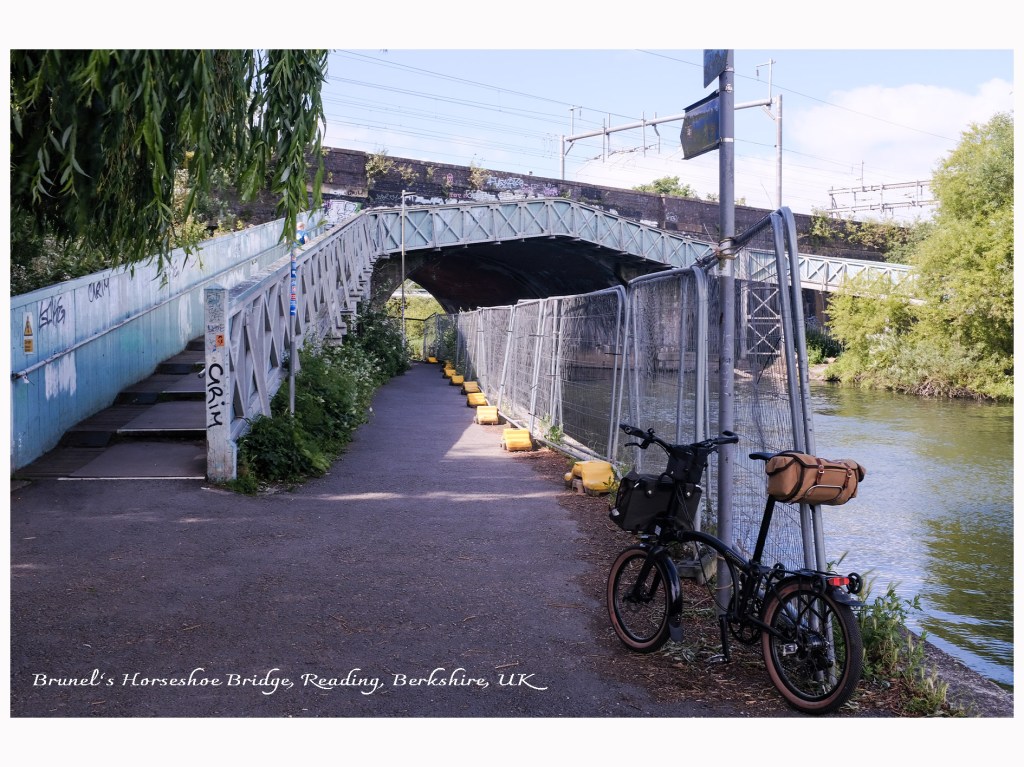
Although covered in graffiti & other such vandalism, this Victorian steel-latticework bridge marks the start of the Kennet & Avon canal at its junction with the River Thames. It was completed in 1891 & allowed the horses which towed the barges to cross over the water & proceed up the towpath beneath the railway.
The brick bridge behind dates from 1839 & was designed by Isambard Kingdom Brunel as part of his Great Western Railway line.
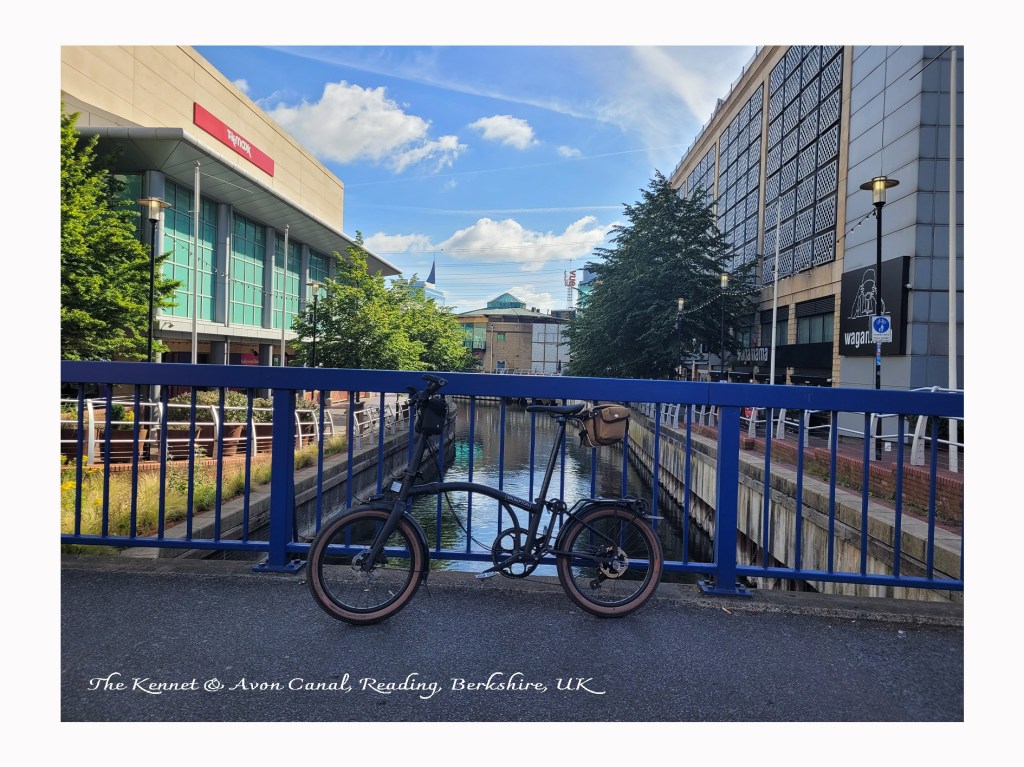
Further along the Kennet & Avon one passes next to the Oracle Shopping Centre with its many food outlets. The name ‘Oracle’ refers the name of a workhouse that local clothier built in 1628. The restored gates can be viewed in Reading Museum.
During construction of the £250 million site archeologists discovered ruins from Reading Abbey, a watermill & an ancient tannery.
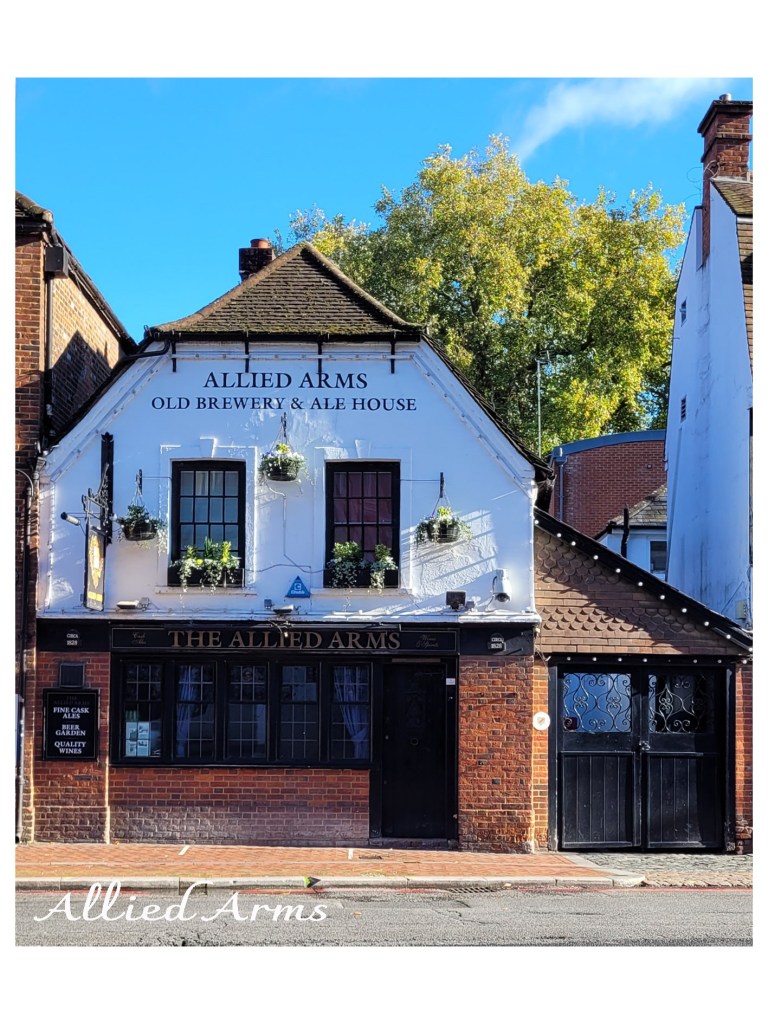
Although the Allied Arms has been a licensed inn since 1828, the building dates to the 16th century. Formerly a butchers & a brewery, the building has timbers believed to be from ruins of Reading Abbey. The name ‘Allied’ refers to the alliance made between UK, France & Turkey during the Crimean war.
It is well worth a visit.
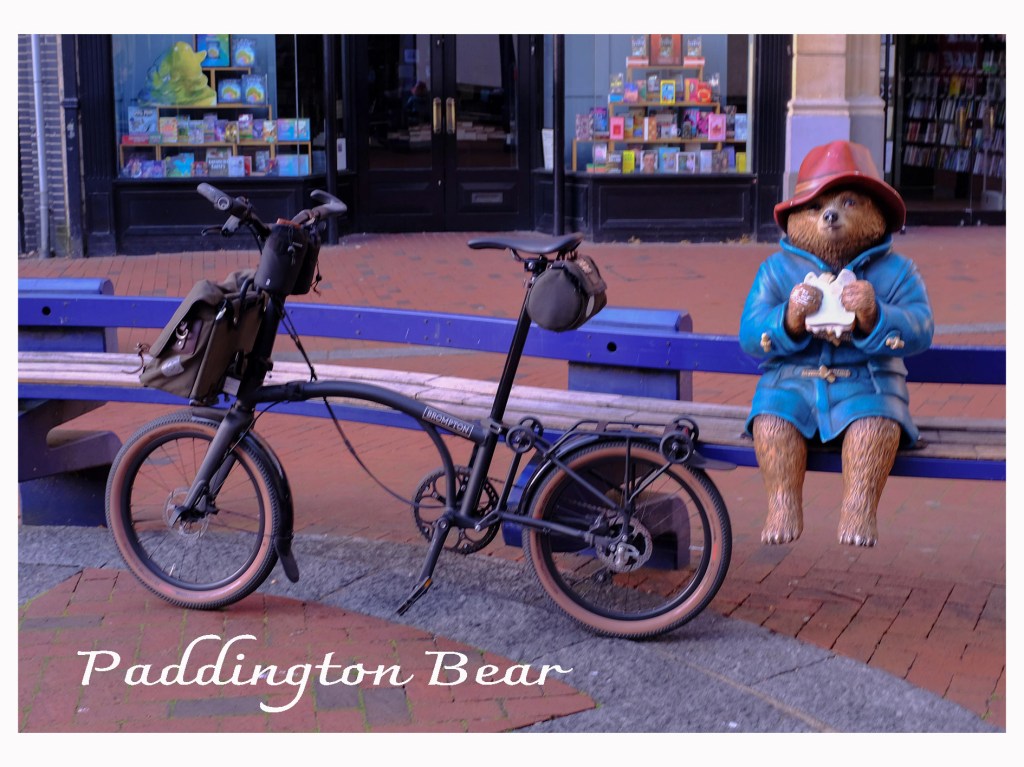
Paddington Bear has a deep connection with Reading. His creator Michael Bond was almost killed when a bomb dropped on the People’s Pantry (near the Queen Victoria Statue a little later). He was working nearby for the BBC & climbed over the rubble to help the injured. In an interview before his death in 2017 he mentioned that his idea of Paddington Bear being a refugee came from seeing children being evacuated during the war.
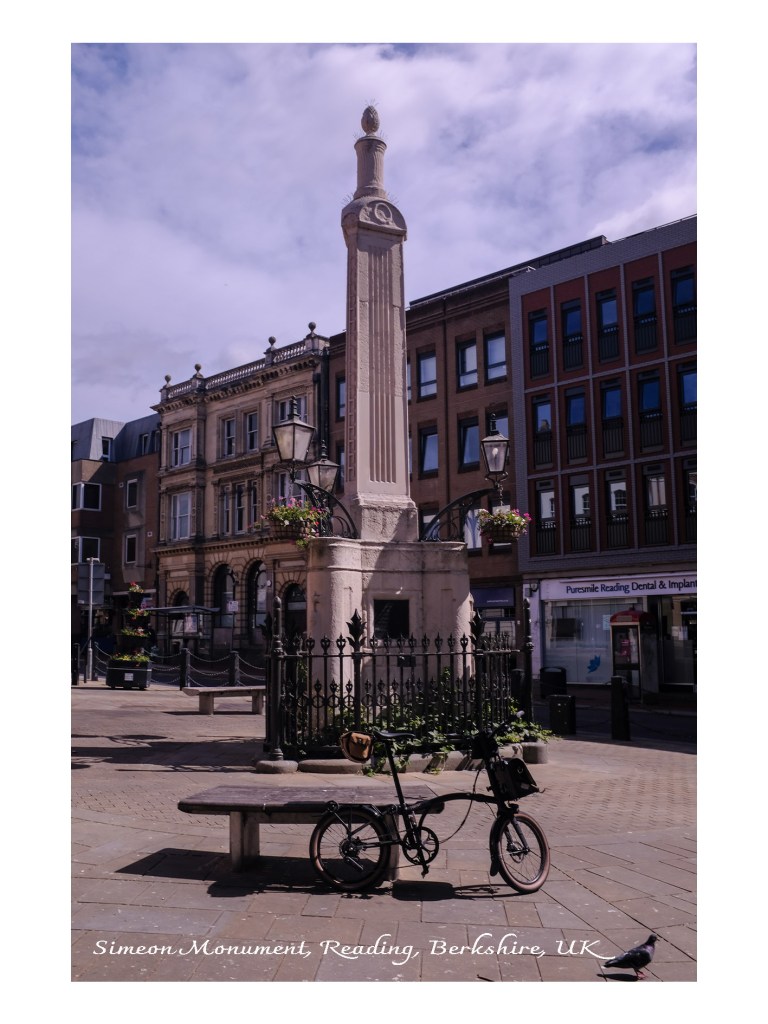
The Simeon Monument was designed by famous English architect Sir John Soane on the bequest of wealthy merchant Edward Simeon. Simeon was so concerned with a lack of lighting in the Market Place that he commissioned a gaslight to be built. Although grade II listed in 1957 the monument fell into disrepair & was saved from demolition in the 1970’s by Soane enthusiasts. Today it is an often overlooked by passers-by & seems to be a focal point for local pigeons.
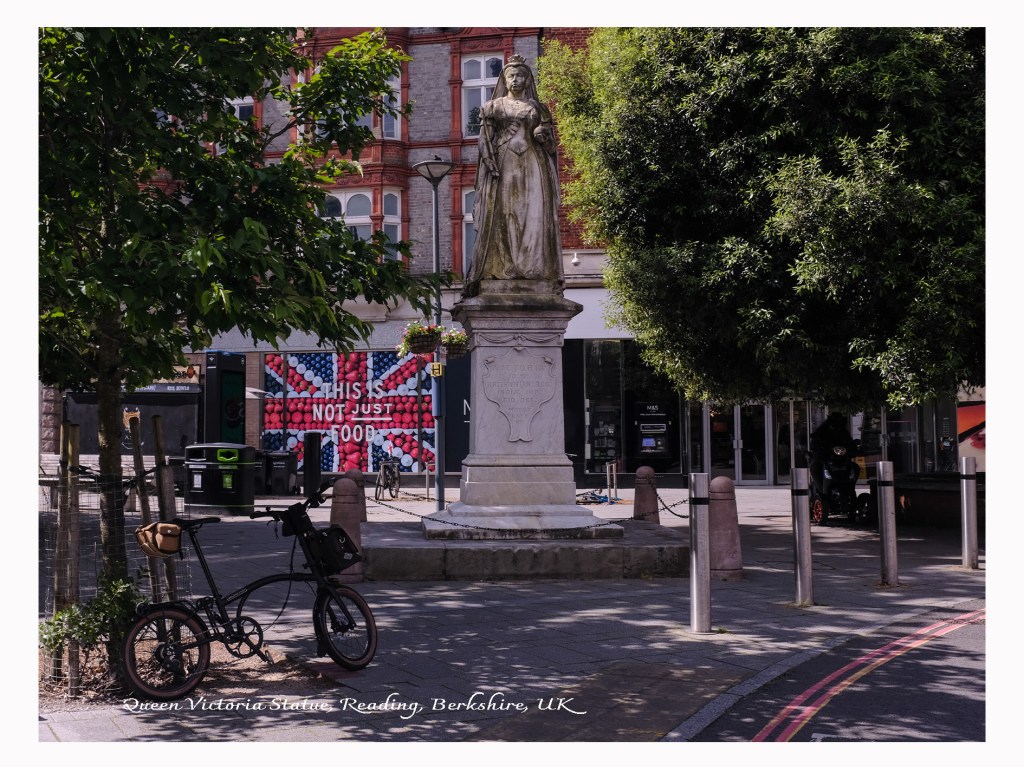
This statue of Queen Victoria was created in 1887 by George Blackall Simmonds, a Reading sculptor & director of Simmonds Brewery.
Read about the statue & Queen Victoria in this interesting article by historian Jo Romero:
https://www.lovebritishhistory.co.uk/2021/08/did-queen-victoria-hate-reading-legend.html
In & around Forbury Gardens
With so much to see I thought I’d conclude my tour of Reading with a saunter through Forbury Gardens. If you have followed the map to this place from Queen Vic statue you would have made your way through St Lawrence’s churchyard & then down a few steps. But rather than aim for the small gate directly in front, follow the park perimeter to the right until you see Reading War Memorial & the triumphal Victoria Gate.
If you visit keep your eyes peeled for the Verdun Oak that is a small distance inside the park. This was planted on 19th July 1919 by Mrs Stanley Heyward the Mayoress of Reading, form an acorn retrieved from the site of the WW1 Battle of Verdun in France. It is one of only a handful of Verdun Oaks surviving in the UK.
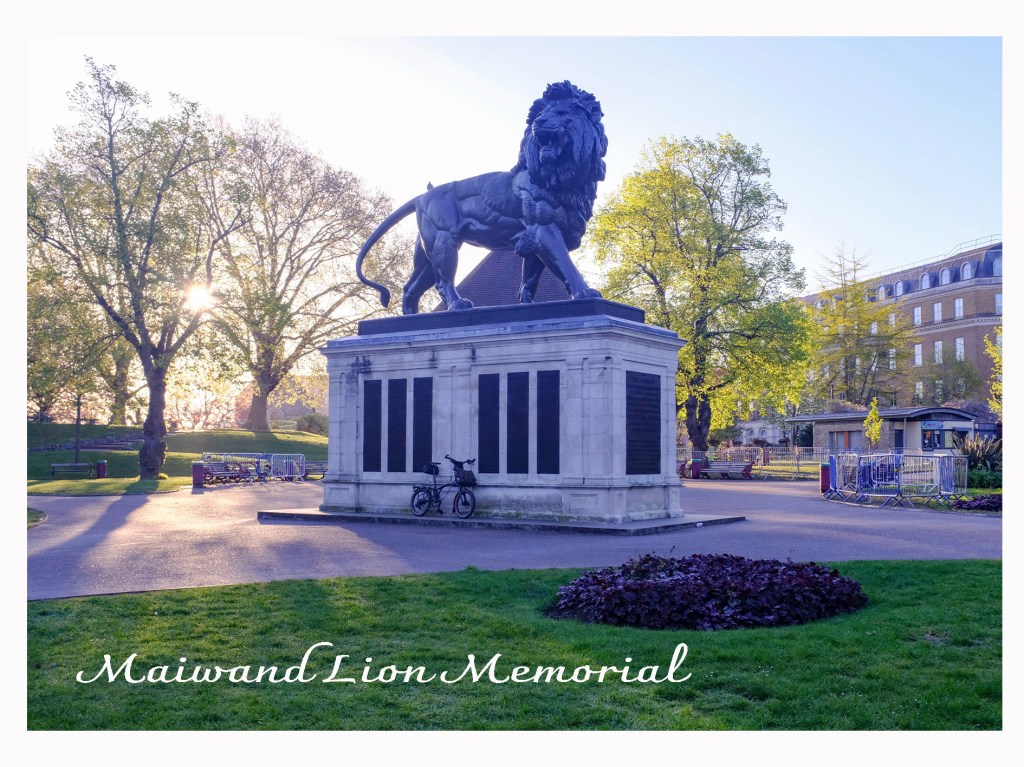
Sculpted again by George Blackall Simmonds (who designed the previous Queen Victoria Statue), the Maiwand Lion commemorates the members of the Royal Berkshire Regiment who perished in the Battle of Maiwand in 1880.
Although a fantastic piece, constructed in cast iron & resting on a plinth made of Portland stone, a local myth has perpetuated over the years. It is said that George committed suicide as a result of learning that the lion could not stand in such a posture, but this is complete twaddle. Firstly, Mr Simmonds spent 2 years researching the gait & anatomy of these large felines at London Zoo, secondly London Zoo have said that his lion is anatomically correct, & thirdly, he died at the age of 86 in 1929.
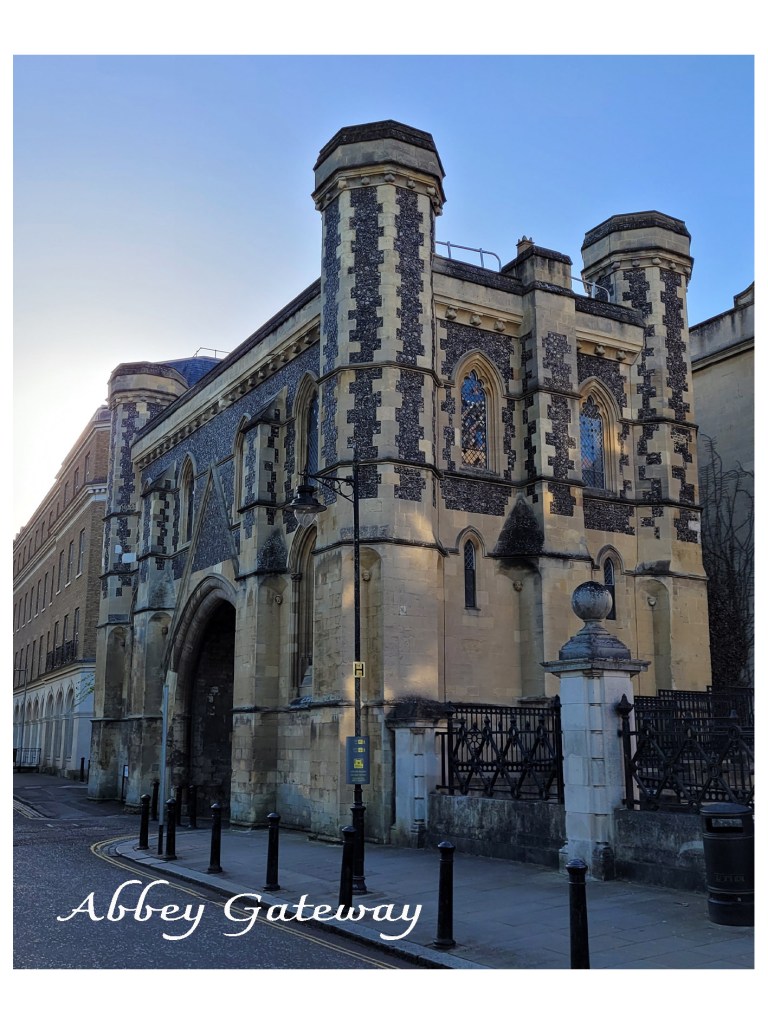
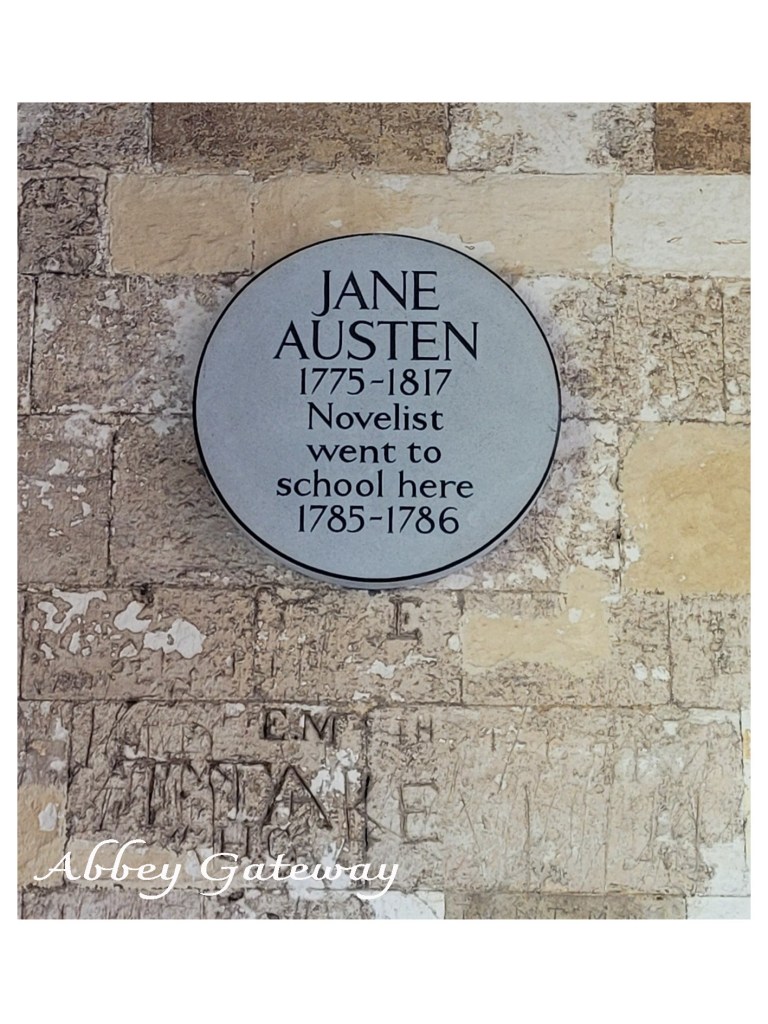
The original Abbey Gateway built in the 12th century collapsed following a storm & was extensively rebuilt in 1861 by Victorian architect Sir George Gilbert Scott (who also designed Reading Gaol nearby). Although the design is similar in shape to the original, having seen drawings of the previous, the gatehouse today is a little more elaborate.
It was outside this gateway though that in 1539 that Hugh Farringdon, the last Abbot of Reading, was publicly hung, drawn & quartered for treason against King Henry VIII. In 2021 a carving of his head was added to the gateway. If you visit see if you can find it.
Also in this area you will also find a memorial to local lad Trooper Fred Potts who was awarded the Victoria Cross. On 21st August 1915 although wounded himself, dragged a fallen comrade on a shovel across 600m of open land under enemy fire. Miraculously he survived the war & died in 1943 aged 50.
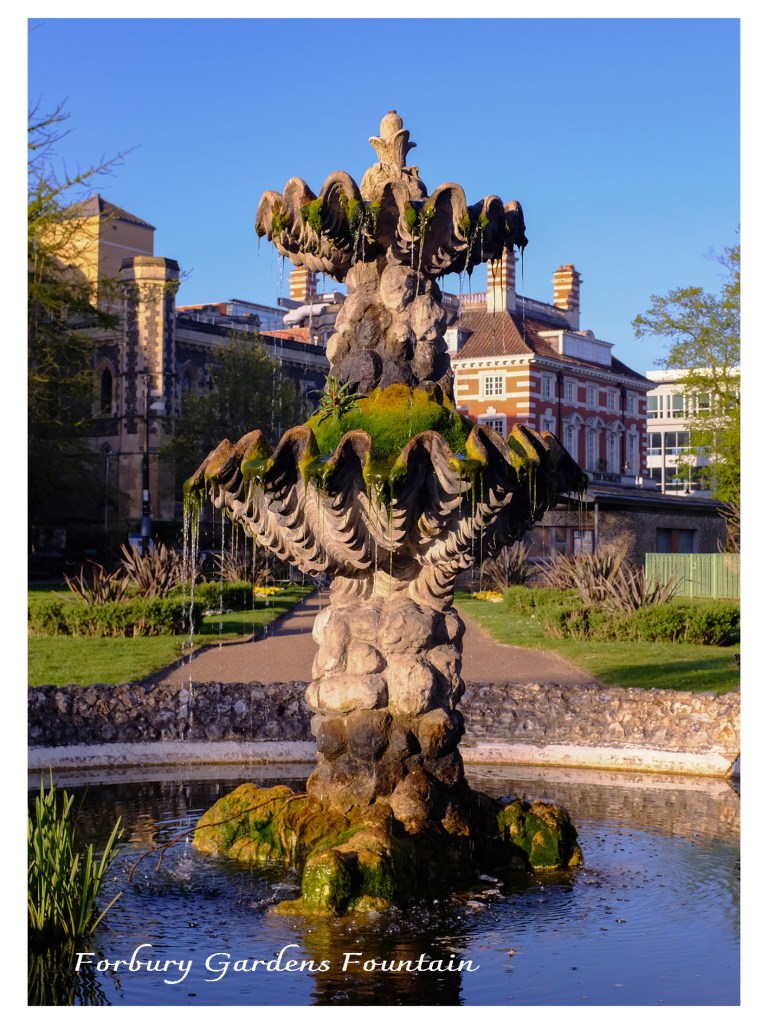
From the 12th century through to the early 19th century the land where the park is was used as a market & meeting place, a site of defence (English Civil War), a fairground & a parade ground for military drills. During the 1850’s though the land was deemed a Pleasure Garden & a summer house, a fountain & an archway to the Abbey ruins, was constructed.
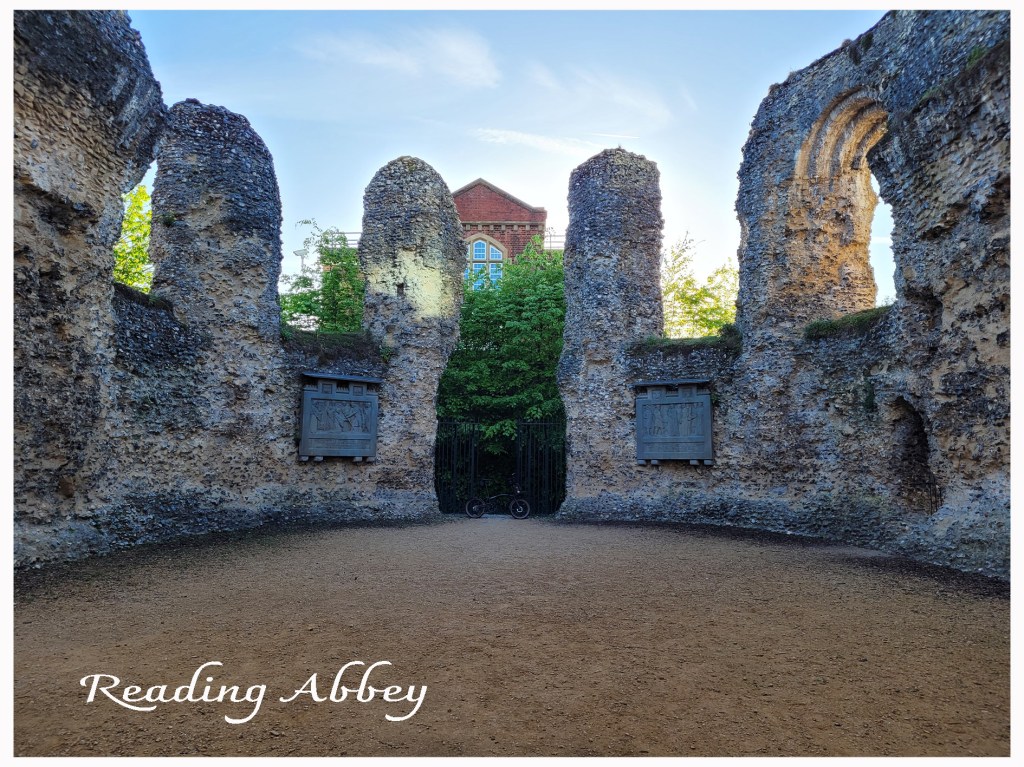
One of the highlights of the town is the Abbey Ruins. Following the Dissolution of the Monasteries by King Henry VIII, whereby the Crown seized the wealth & assets of the Catholic Church, Reading Abbey was looted & largely razed to the ground.
If you visit see if you can find the plaque memorialising the burial place of Henry I.
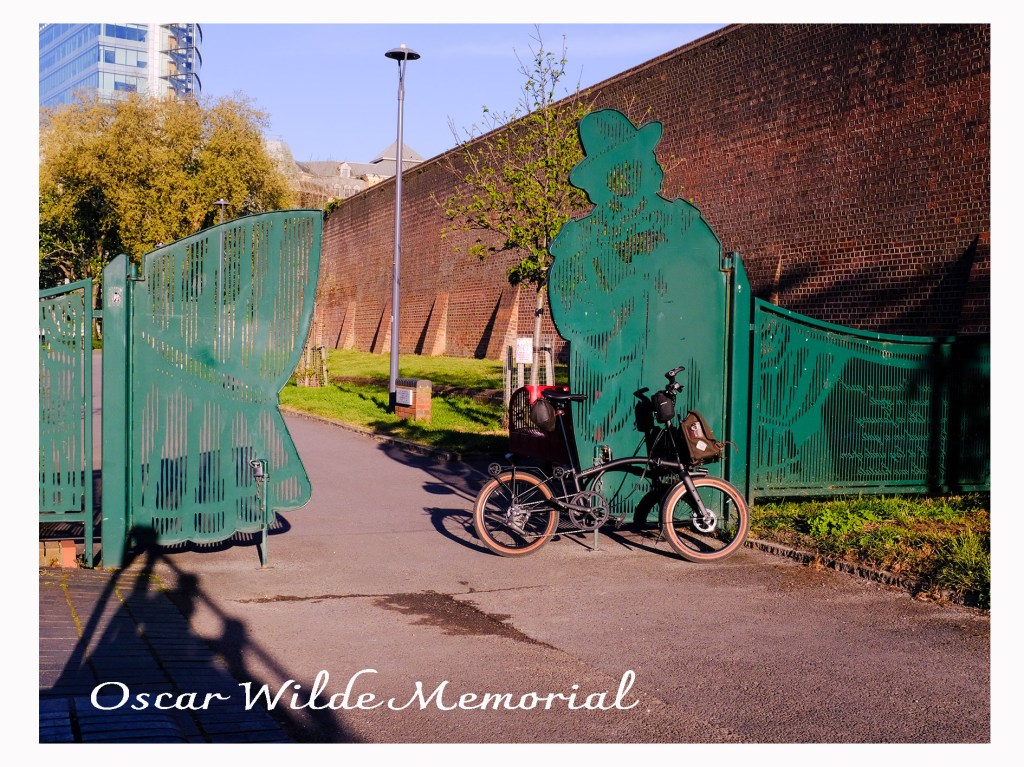
In 1895 the Irish playwright, novelist & poet was sentenced to 2 years hard labour in Reading Prison for gross indecency with men. And it was while he was incarcerated beyond the wall that he witnessed the execution of Charles Thomas Wooldridge & from that incident he composed ‘Ballad of Reading Gaol’, one of his most famous poems.
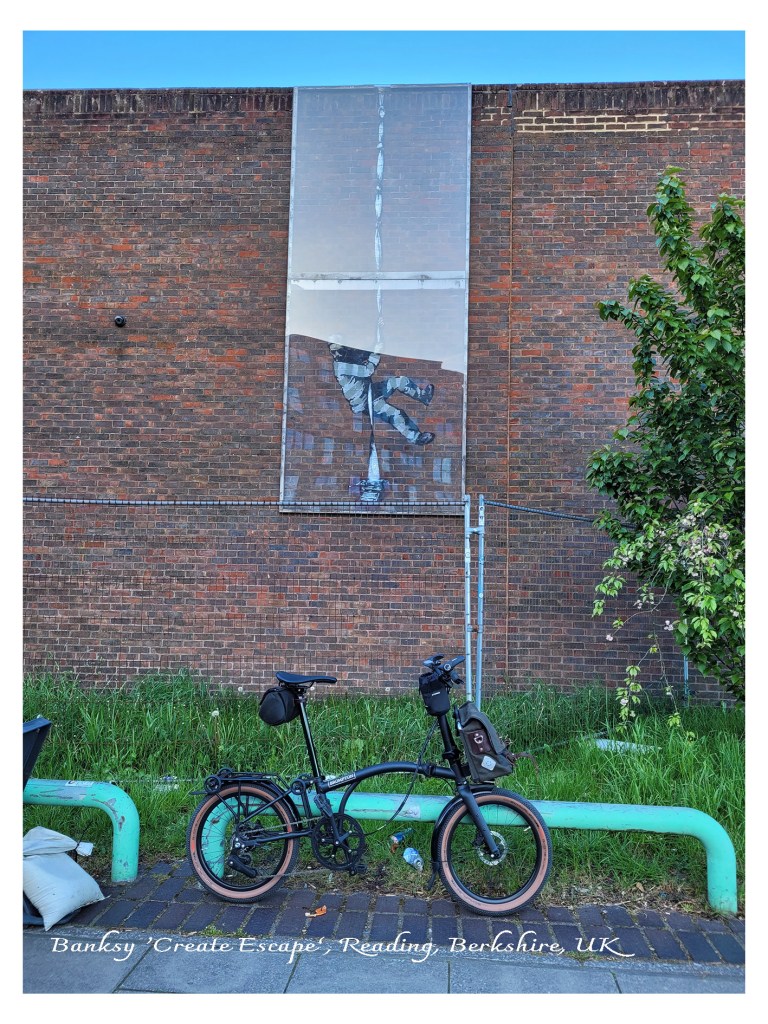
The Banksy mural ‘Create Escape’ portrays Oscar Wilde escaping from the prison, lowering himself using a long sheet of knotted paper with a typewriter at the end.
I love the way that a piece of perspex has been placed over the mural making a decent photo virtually impossible.
Check this out to see it being created https://banksyexplained.com/create-escape-march-2021/
Oh & one more thing…
I do hope you have enjoyed my tour of Reading centre. There is one final hidden gem of a place that lies just off the beaten path. To find it type ///crowds.space.scan into What3Words.
I do hope this article has been informative should you wish to visit this town.
Yours sincerely
Mr DL Street


Letters to the editor