
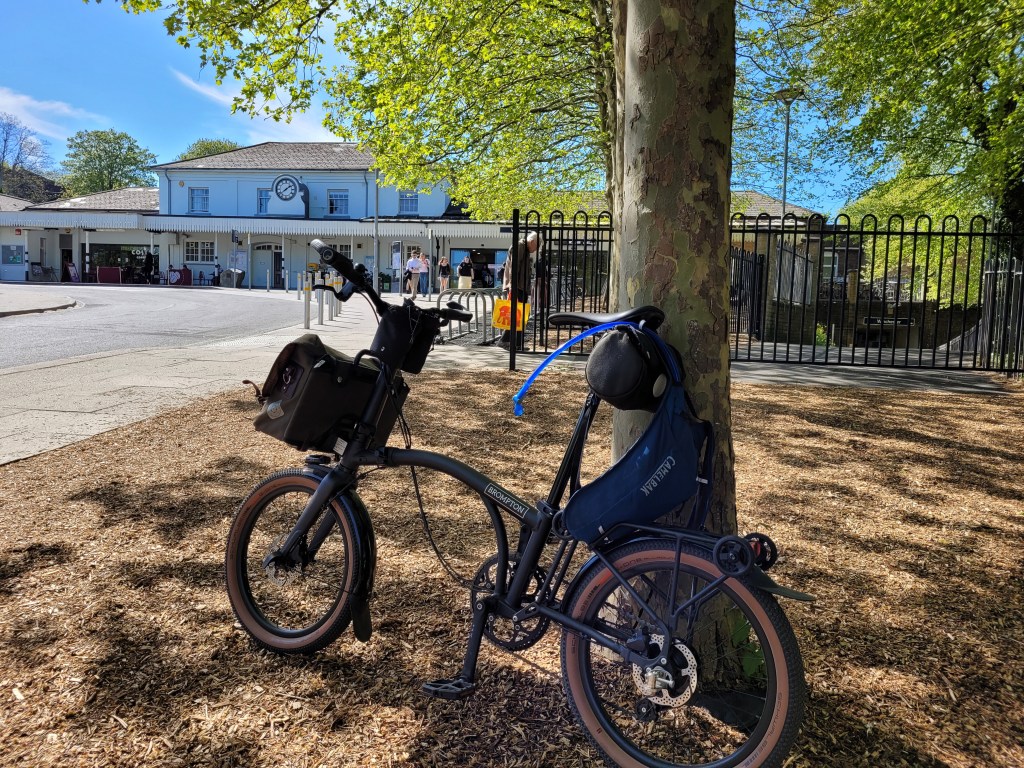
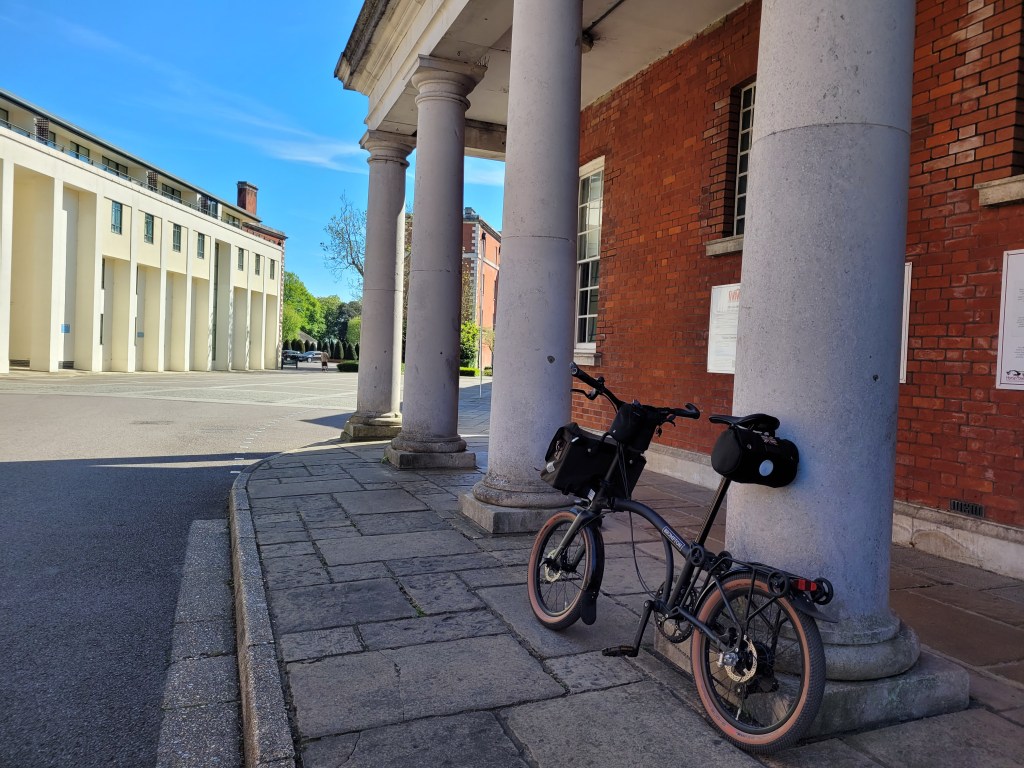
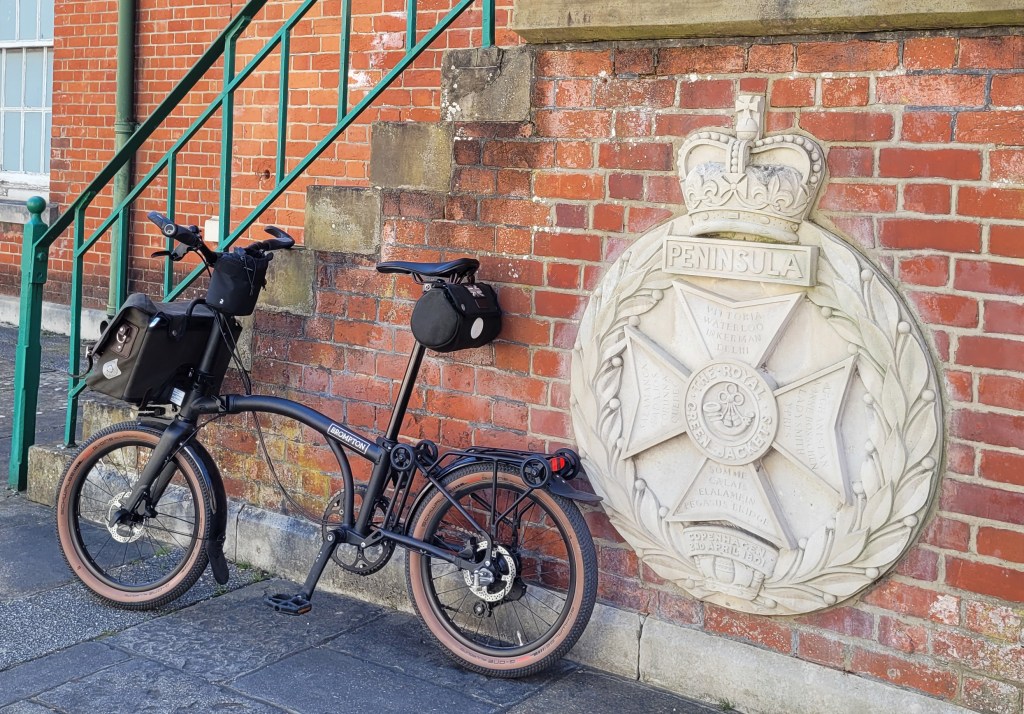
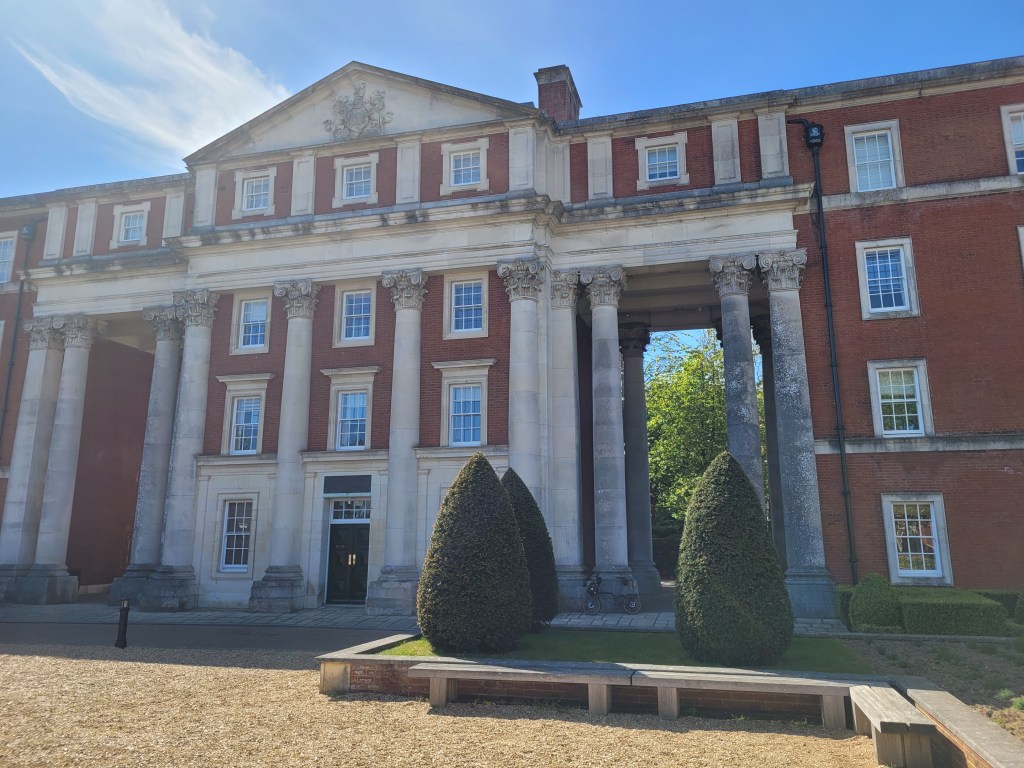
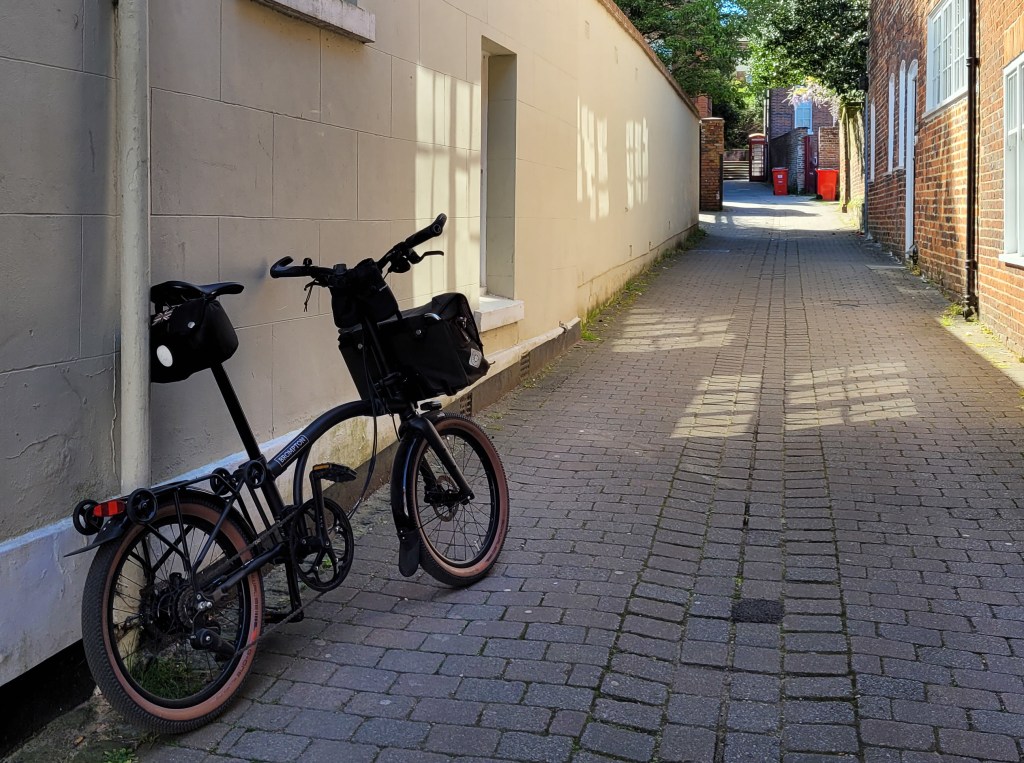
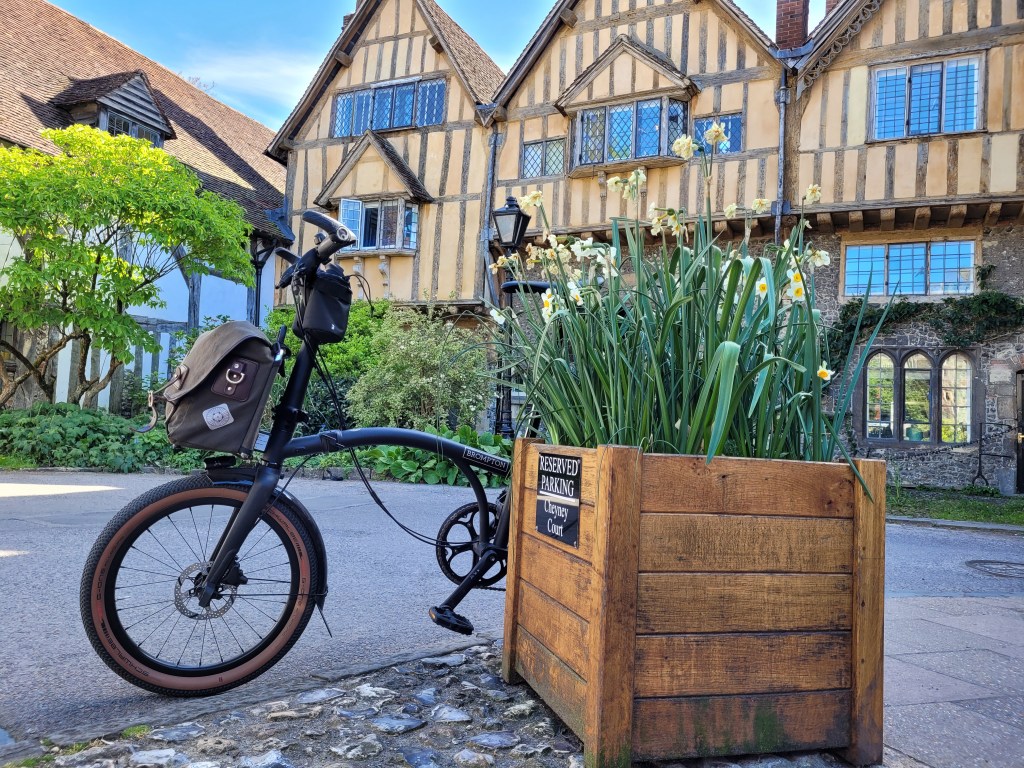
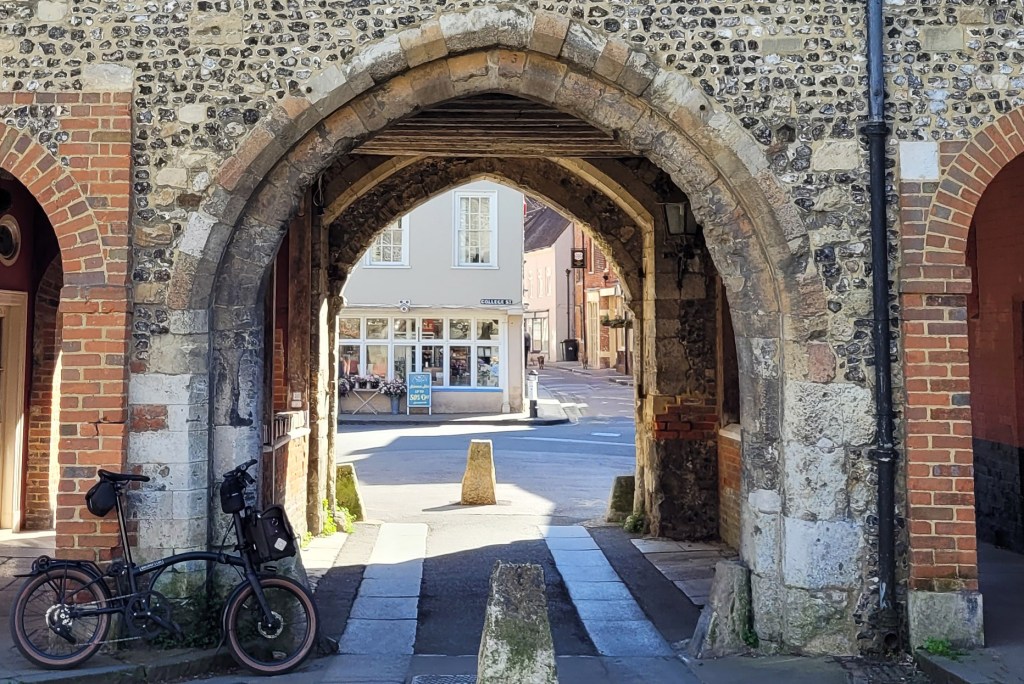
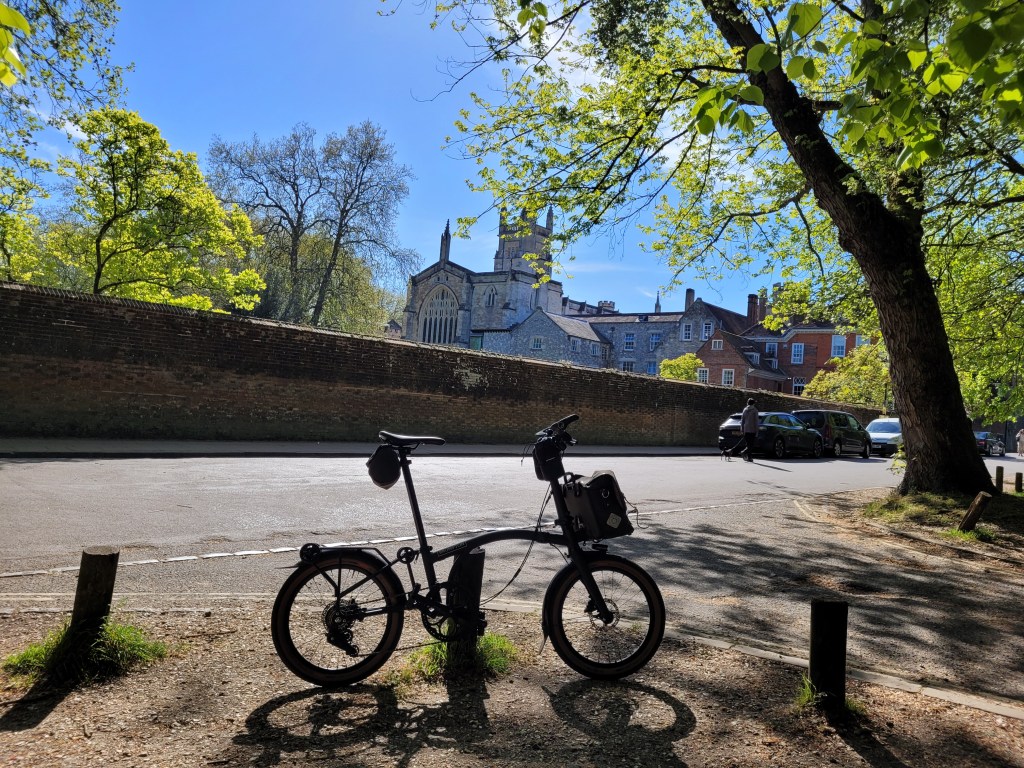
With it being a Friday, & finding myself with not much to do I decided to jump on the old rattler & head for a two-wheeled excursion around the ancient city of Winchester.
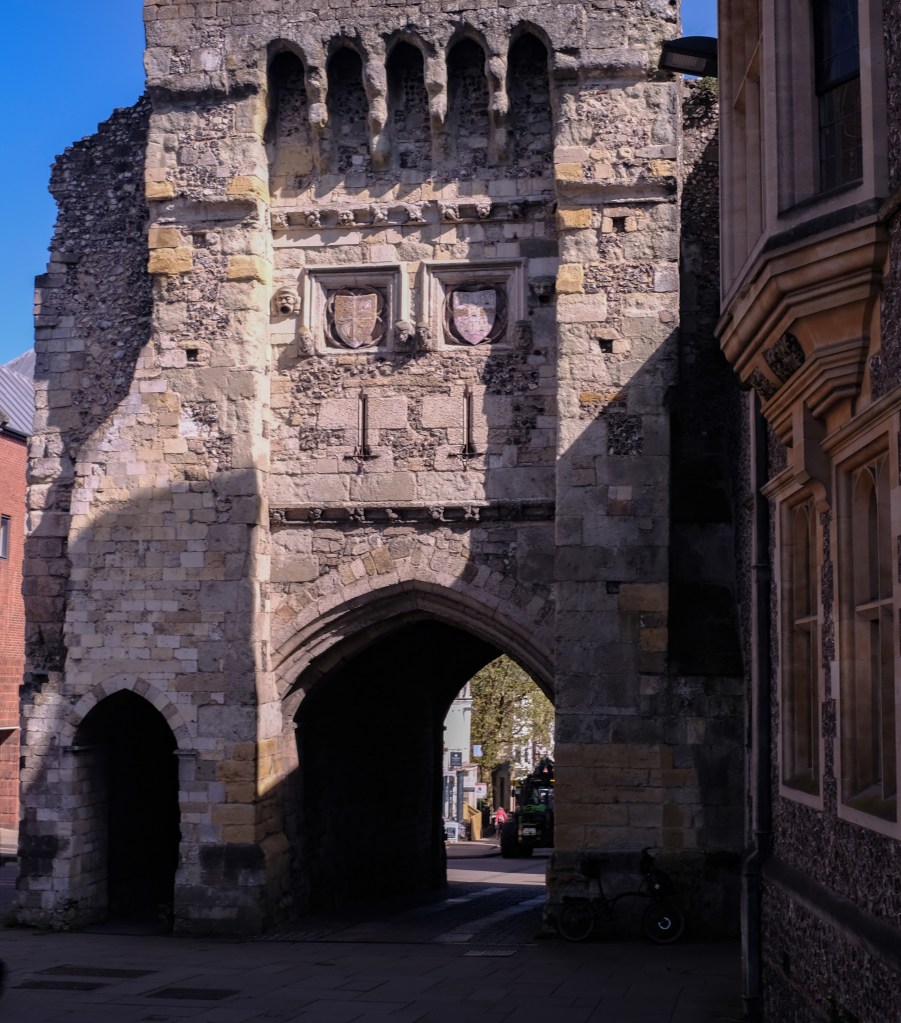
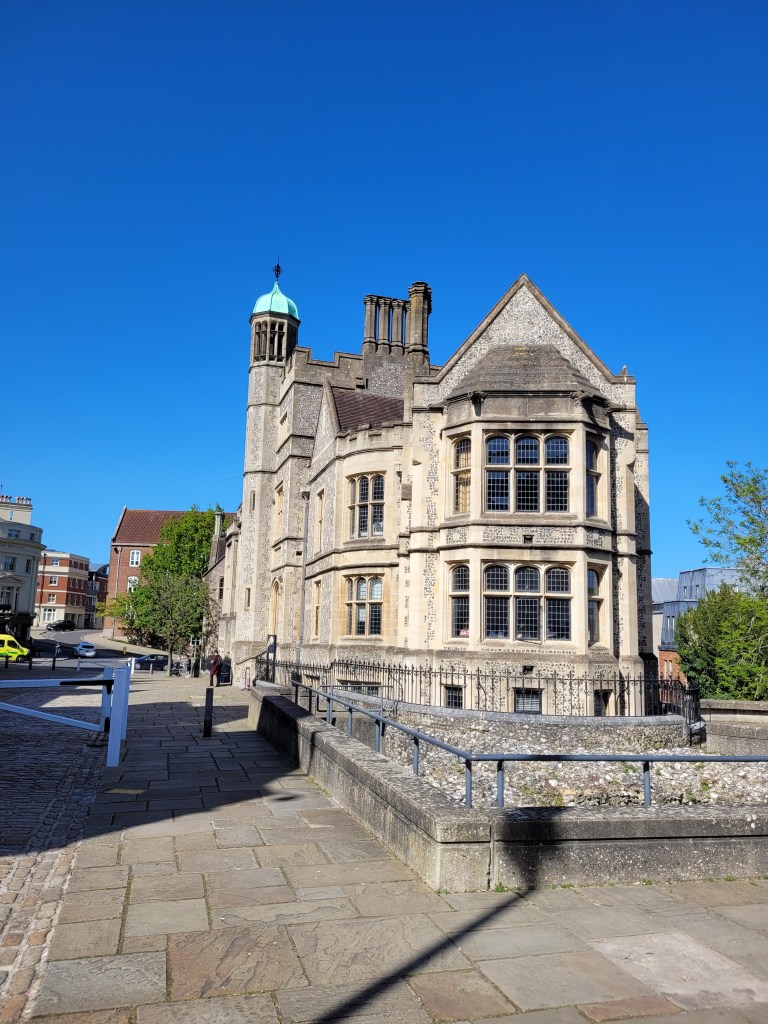
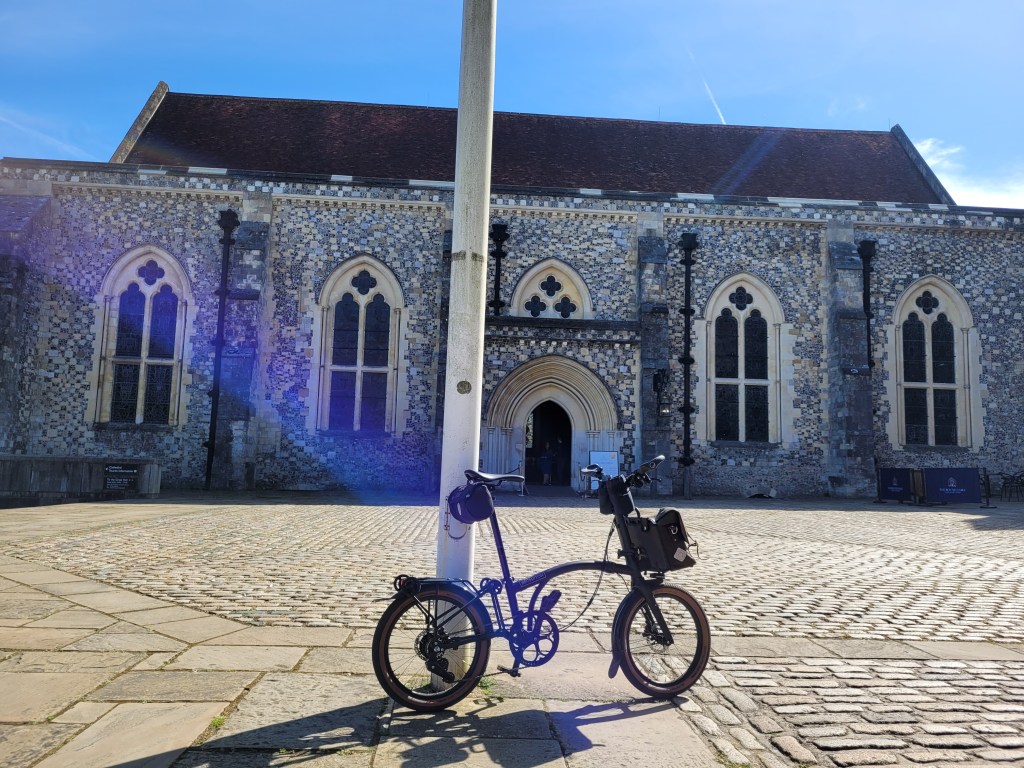
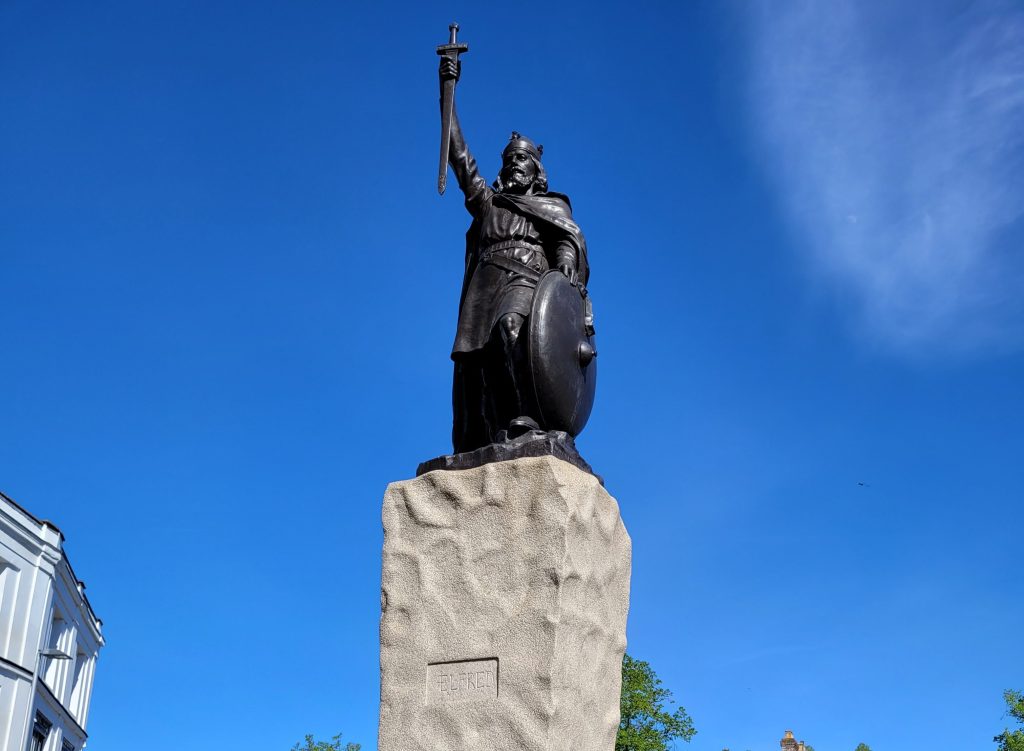
Originally a settlement inhabited by the Celtic Belgae, the place was inhabited by the Romans in AD 43 where it became known as Venta Belgarum. After the Roman Empire collapsed in the 5th century, the place came under Anglo-Saxon jurisdiction. By the 9th century Wintancaester (as it was then known), was the capital of the Kingdom of Wessex, its leader King Alfred making plans for uniting England as a country. Skip forward a bit & following the Norman Invasion/Battle of Hastings the city became one of the most important Norman centres in the country, with William the Conqueror ordering a castle to be built (roughly where the Great Hall & Coroners Court building is today). Many years later the city was caught up in the English Civil War (17th century), with much of the city being destroyed.
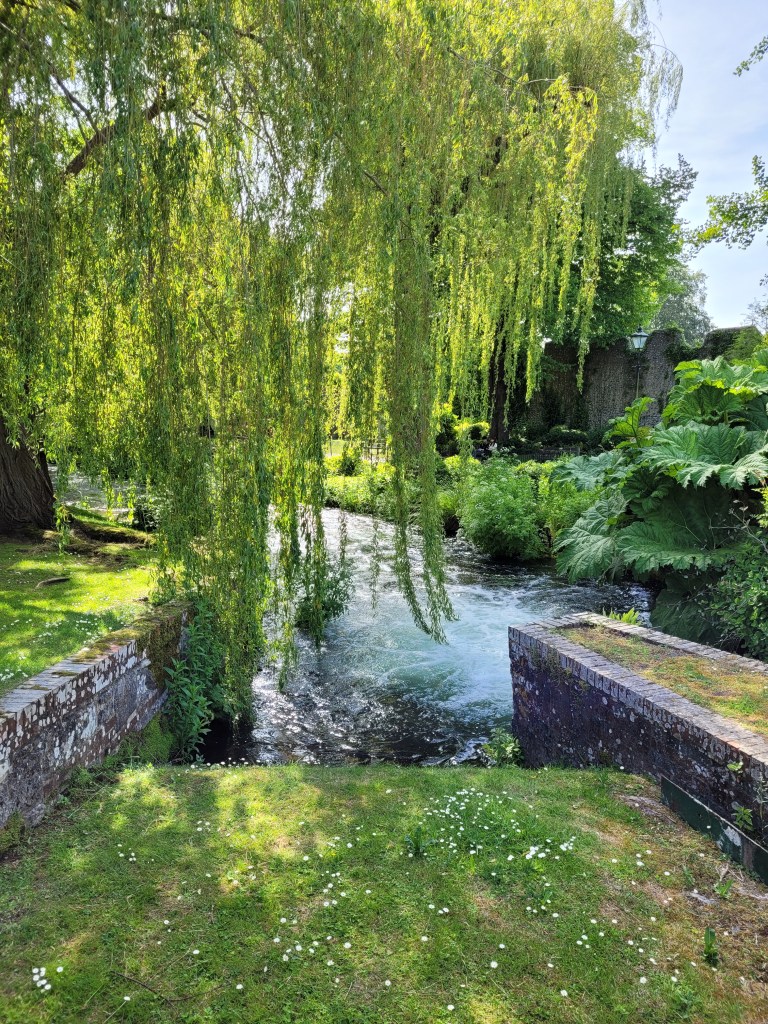
These days thankfully, it is a much more peaceful place to visit…
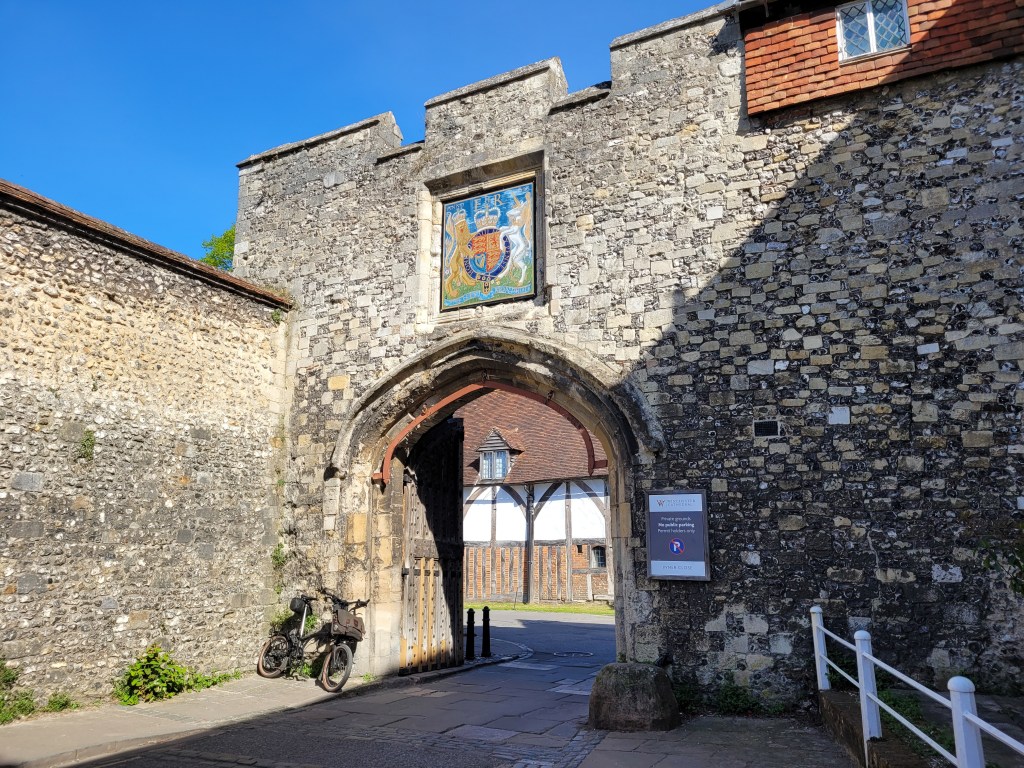
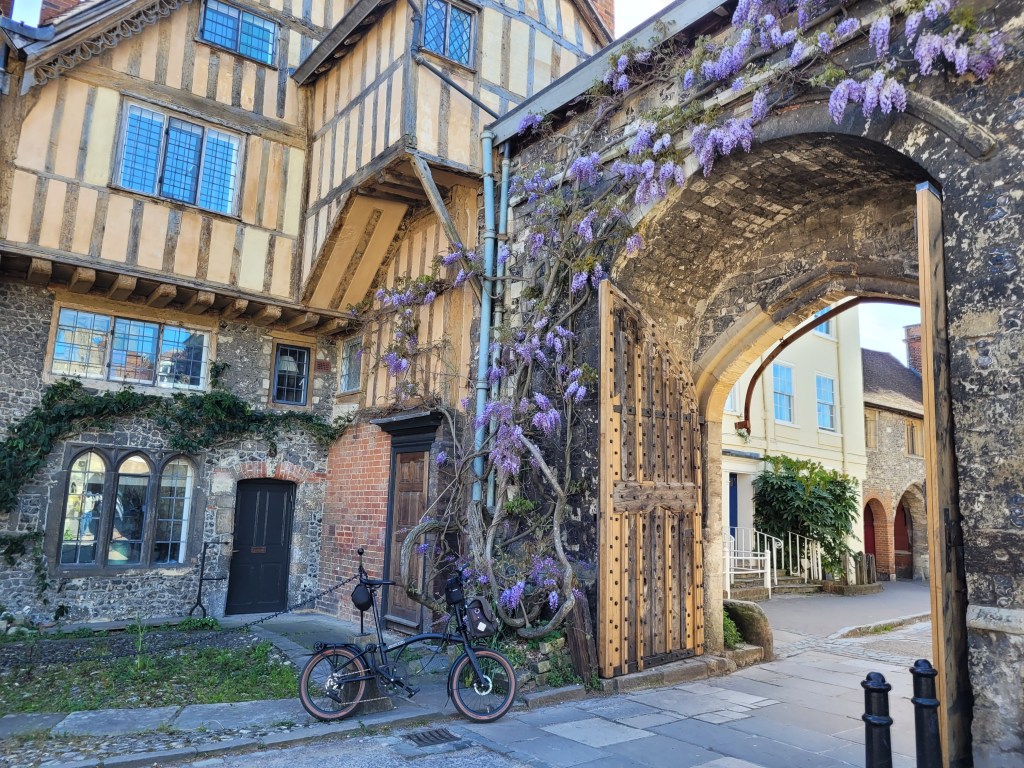
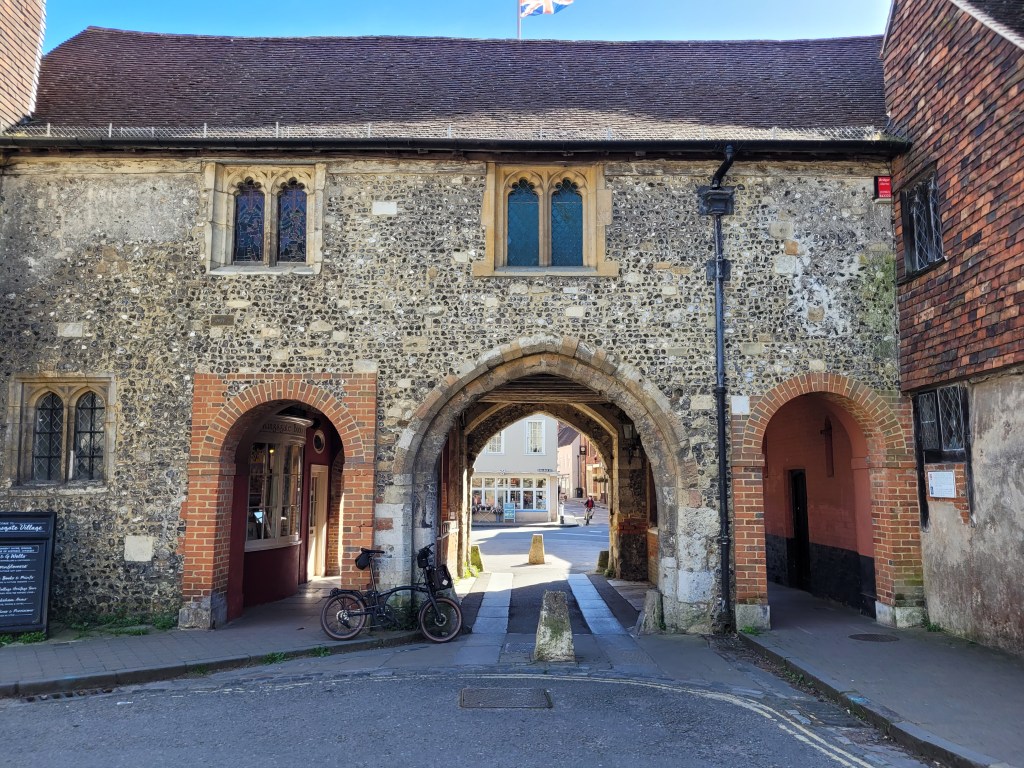
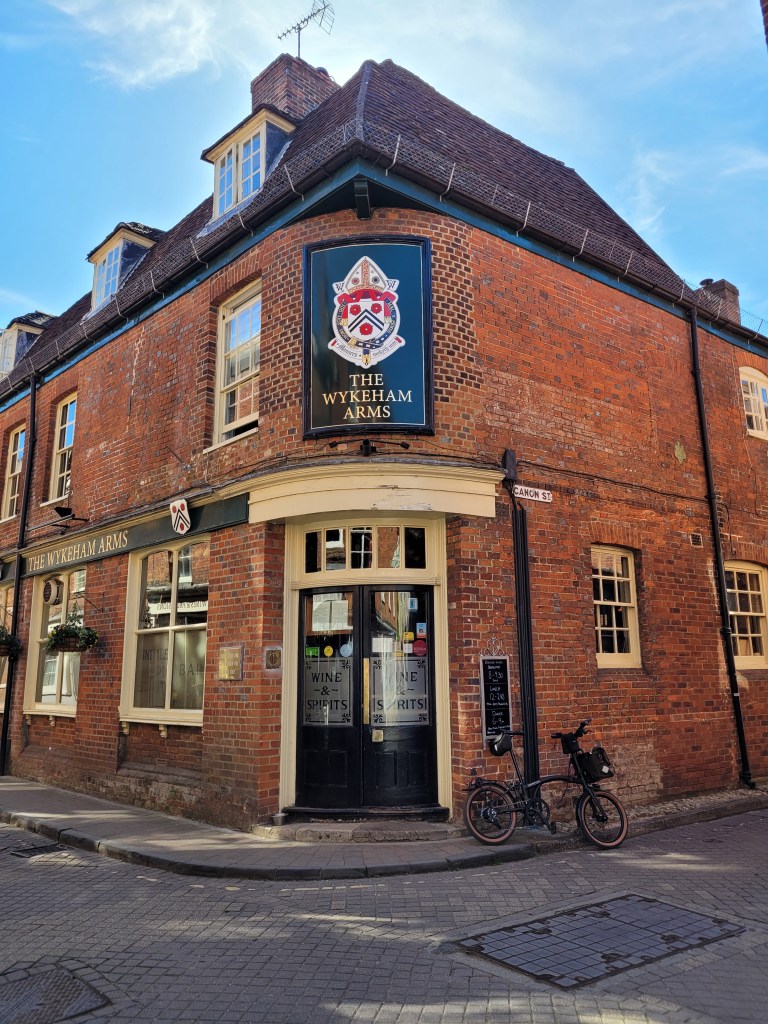

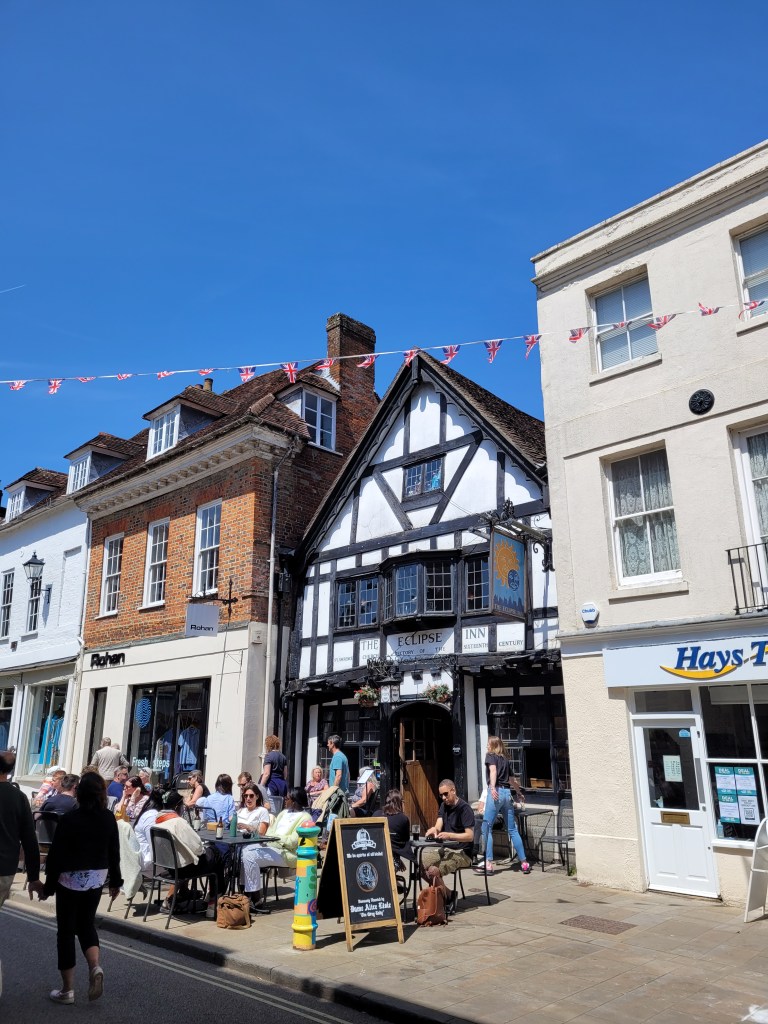
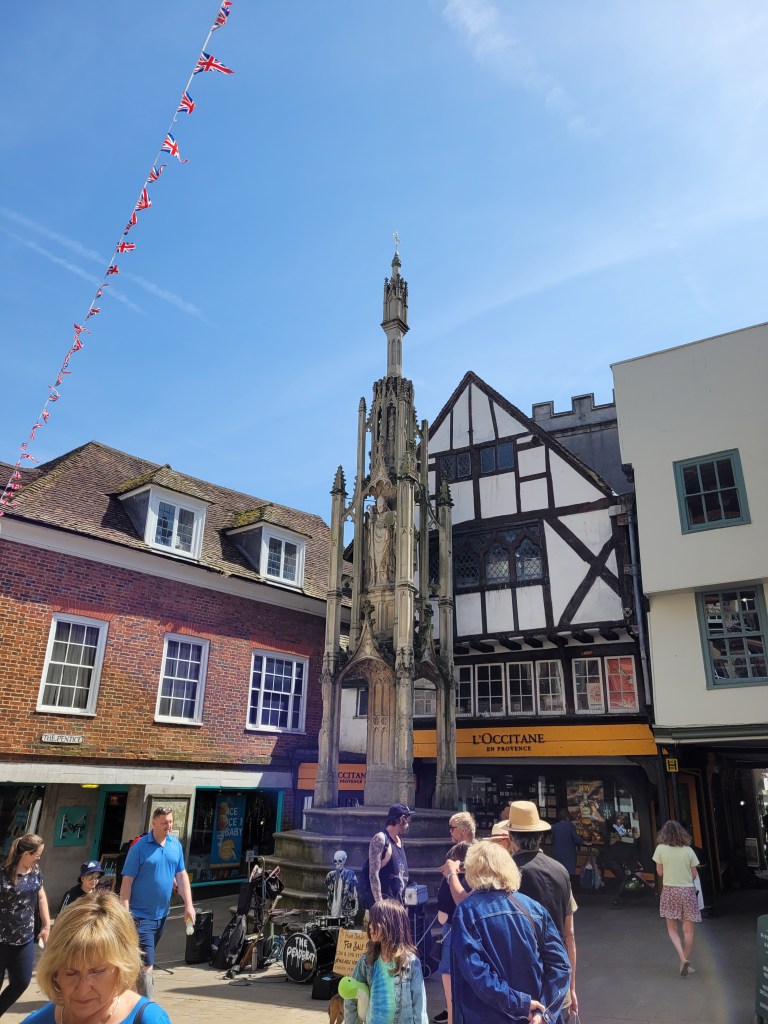
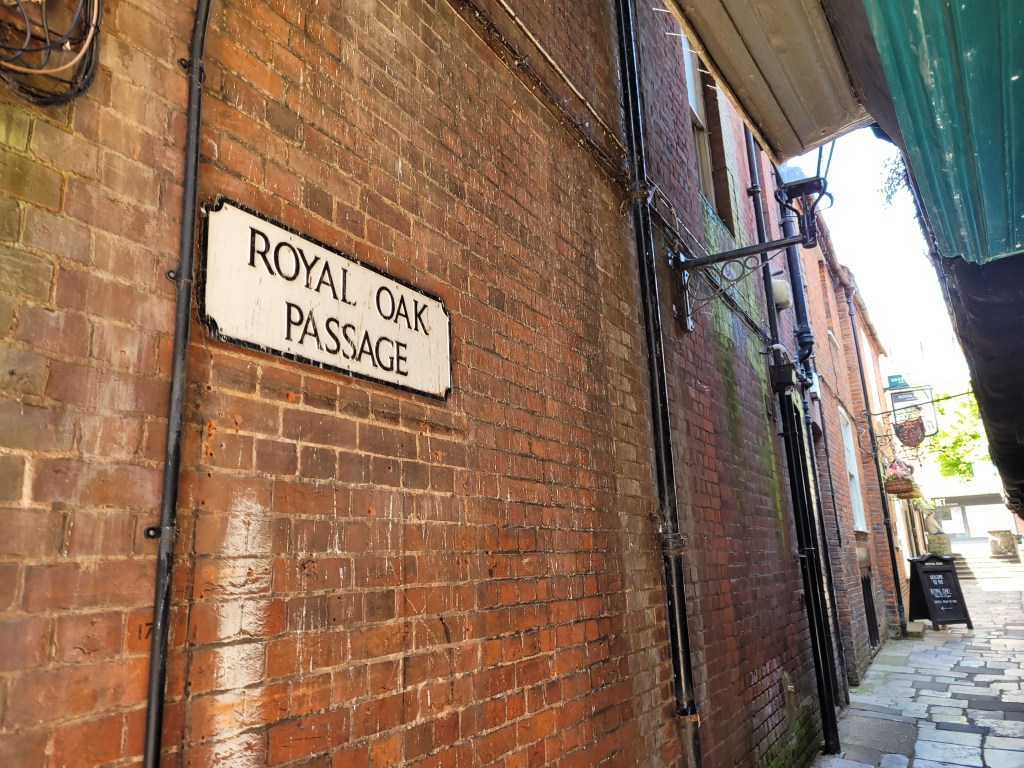
Just off the High Street, The Royal Oak is widely considered to be one of Englands oldest pubs with cellar & foundations dating back to 1002.
 Slow Travelling Man
Letters to the editor